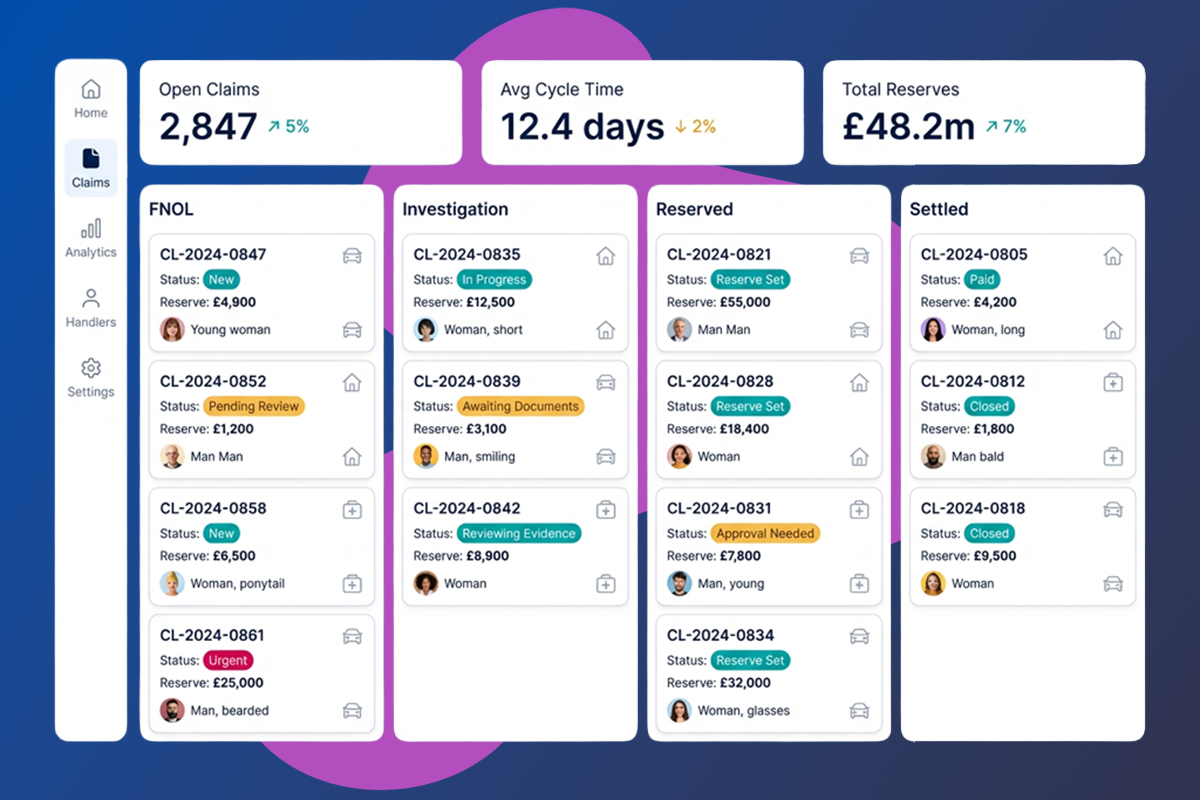
Navigating All Of The Policy Admin Options
The Pivotal Role of a Policy Admin System
A Policy Admin System (PAS) serves as the foundational backbone for any insurance company, orchestrating critical processes throughout the entire policy lifecycle, from creation to expiration. These specialised insurance software platforms are designed to streamline and optimise various operations, acting as a centralised hub for all policy-related information.
By automating routine tasks, a PAS significantly reduces manual intervention, minimises errors, and enhances overall efficiency, contributing to improved customer satisfaction and financial stability.
The core functionalities of a robust Policy Admin System include policy creation, premium collection, and comprehensive policyholder data management. These systems automate transaction processing, ensure compliant policy values, and simplify reporting requirements, which are crucial for effective oversight. Furthermore, a well-implemented PAS facilitates efficient claims processing, benefiting policyholders, beneficiaries, and the carrier alike.
Why the Right Choice Matters
The selection of an appropriate Policy Admin System is not merely a technological upgrade; it represents a strategic necessity for insurers in today’s dynamic market. A modern PAS enables insurers to respond swiftly to market demands, introduce new products rapidly, and enhance customer satisfaction. This agility is vital for maintaining a competitive edge in an evolving landscape.
Conversely, clinging to rigid, siloed legacy systems can hinder operational efficiency, slow product innovation, and negatively impact customer experience, ultimately eroding competitive advantage. The inflexibility and lack of integration inherent in older systems create a compounding technical debt, making future digital transformation efforts exponentially more difficult and costly.
This can lead to a widening gap between agile, modern insurers and those burdened by outdated infrastructure, impacting long-term viability and market responsiveness. The decision to invest in a Policy Admini Software is therefore a strategic imperative, not just an IT concern.

10 Essential Features for Your Policy Admin System
Selecting a robust Policy Admin System requires a keen understanding of the features that will empower operations and future growth. These capabilities extend beyond basic policy management to encompass a holistic approach to the insurance lifecycle.
Connectivity and Interoperability
Modern insurance operations demand seamless integration with a diverse ecosystem of third-party tools and internal systems. A PAS with strong connectivity, often facilitated by open architecture and robust APIs, ensures data flows freely between platforms like CRM, accounting, and Claims Management systems. This eliminates data silos, creating a unified view of policyholder information and enabling a truly connected insurance ecosystem.
The ability of a system to connect and work with others is paramount. When evaluating a Policy Admin System, it is important to consider how well it integrates into the broader technological landscape of an organisation. This harmonious operation across different platforms is what truly unlocks efficiency and comprehensive data utilisation.
Use Case 1: Seamless Data Exchange An insurer integrates its PAS with a third-party CRM system. When a customer updates their contact details in the self-service portal, this information is automatically pushed to the CRM, ensuring all customer-facing teams have the most current data. This eliminates manual updates and potential inconsistencies.
Use Case 2: Ecosystem Integration A Managing General Agent (MGA) uses a PAS with open APIs to connect with various InsurTech partners, such as AI in insurance-driven fraud detection tools and telematics providers. This allows for real-time data ingestion and analysis, enhancing risk assessment and personalised pricing for their niche products.
Use Case 3: Real-time Underwriting An underwriter receives an application through the PAS, which instantly pulls data from external data enrichment services, such as property data or credit scores, via API integrations. This provides a comprehensive risk profile in real-time, significantly speeding up the underwriting process and improving accuracy.
Speed-to-Market and Product Building
The ability to rapidly develop and launch new insurance products is a critical competitive differentiator in today’s fast-evolving market. A modern PAS facilitates this through configurable product templates, smart rule editors, and no-code product building capabilities. This agility allows insurers to quickly adapt to changing market demands and regulatory shifts, gaining a significant competitive edge.
These capabilities are not merely about technical efficiency; they are fundamental to achieving true business agility. By empowering business users, such as product managers and underwriters, to configure products and workflows without constant IT intervention, insurers can respond to competitive pressures and regulatory changes with unprecedented speed to market.
This democratisation of development is a strategic shift, allowing the business to drive innovation directly and future-proof the Policy Admin System against rapid market shifts.
Use Case 1: Rapid Product Launches A general insurer identifies a new market niche for a specific type of cyber insurance. Using the PAS’s no-code product building tools, they configure and launch the new product in weeks, not months, capturing early market share before competitors can react.
Use Case 2: Agile Policy Updates Following a change in regulatory requirements, an insurer needs to update specific policy clauses across multiple products. The PAS’s configurable rules engine allows for quick, system-wide adjustments, ensuring compliance without extensive manual re-coding or lengthy development cycles.
Use Case 3: No-Code Product Configuration An MGA wants to offer highly tailored packages for small businesses. Their PAS, equipped with a no-code interface, allows business users, not just IT, to combine different coverages and rules, creating bespoke offerings quickly to meet diverse client needs.
Customisable Workflows
Every insurer has unique operational processes, and a flexible PAS should accommodate these specific needs without requiring extensive coding. Customisable workflows enable insurers to tailor the system to their unique processes, ensuring optimal efficiency and alignment with business objectives. This configurability reduces costly workarounds and enhances user adoption, leading to improved overall productivity.
The power of a Policy Admin System lies not just in its features, but in its adaptability to an organisation’s specific way of working. A system that forces an insurer to conform to rigid, predefined processes can negate many of the benefits of automation, leading to inefficiencies and frustration among staff. The ability to fine-tune workflows ensures the technology serves the business, rather than dictating its operations.
Use Case 1: Tailored Underwriting Processes A specialist insurer has a unique, multi-stage underwriting process for complex risks. The PAS allows them to configure custom workflow stages, approval hierarchies, and data capture fields, ensuring their specific risk assessment methodology is embedded directly within the system.
Use Case 2: Efficient Claims Management When a claim is filed, the PAS automatically routes it to the appropriate claims handler based on policy type and severity. It then triggers automated notifications to relevant parties and initiates payment processing steps, all according to predefined, customisable rules that reflect the insurer’s specific claims protocols.
Use Case 3: Dynamic Customer Journeys An insurer designs different customer onboarding journeys based on product type, for instance, a simple motor policy versus a complex commercial policy. The PAS allows them to configure these distinct paths, including automated communications and document generation, to provide a personalised and efficient experience for each customer segment.
Comprehensive Policy Lifecycle Management
An effective Policy Admin System must manage the entire policy lifecycle seamlessly, from initial quotation and issuance through to renewals and cancellations. This includes automating policy processing, managing endorsements, and ensuring accurate policyholder data. A unified view of policy data across all stages ensures consistency and reduces manual errors, improving operational efficiency.
This end-to-end management capability is fundamental. Without it, insurers risk fragmented data, inconsistent processes, and a disjointed customer experience. A system that provides a single source of truth for all policy-related information enables greater control, better compliance, and a clearer understanding of the business at any given moment.
Robust Underwriting Process Support
Underwriting is a critical function, and an advanced PAS provides rule-based engines to automate risk assessment and premium determination. This automation reduces manual tasks, speeds up policy processing, and enables insurers to respond more effectively to market demands. It also ensures consistent application of underwriting guidelines, flagging exceptions for human review, thus improving accuracy and efficiency.
The integration of advanced underwriting capabilities within a Policy Admini System allows for more precise risk evaluation and pricing. This not only streamlines operations but also enhances profitability by ensuring premiums accurately reflect the assessed risk. The ability to automate routine underwriting decisions frees up expert underwriters to focus on more complex cases requiring human judgement.
Integrated Claims Processing
A PAS that includes an integrated Claims Management module significantly enhances operational efficiency and customer experience. This integration provides a unified view of policy data, streamlining claims intake, validation, and adjudication based on predefined policy terms. Faster claims resolution reduces stress for policyholders and builds trust in the insurer, which is paramount in customer retention.
The seamless flow of information between policy administration and claims is crucial for a smooth customer journey. When a claim is filed, having immediate access to policy details and coverage terms within the same system accelerates the entire process. This reduces the administrative burden on staff and ensures a more empathetic and efficient experience for policyholders during what can be a stressful time.
Efficient Billing and Payments
Seamless integration with accounting systems is vital for managing billing and payment processes accurately. A robust PAS ensures precise financial transactions, supporting various payment methods to adapt to evolving customer demands. This functionality contributes directly to the financial stability of the insurance company by ensuring timely premium collection and accurate financial reporting.
Automated billing and payment features minimise errors associated with manual processing and improve cash flow for insurers. By supporting diverse payment options, a PAS caters to customer preferences, enhancing convenience and satisfaction. This efficiency extends beyond mere transaction processing, contributing to the overall financial health and operational smoothness of the business.
Regulatory Compliance and Data Security
In the highly regulated insurance industry, compliance with industry regulations and safeguarding sensitive data are non-negotiable. A strong PAS offers features like audit trails, real-time data reporting, and automated compliance checks to ensure adherence to regulatory changes.
Robust security measures, including data encryption and multi-factor authentication, are essential to protect sensitive policyholder information and maintain trust.
The stringent regulatory landscape, with frameworks like GDPR in the UK, necessitates a system that can adapt swiftly to legal changes and protect sensitive data. Failure to comply can lead to severe financial penalties and reputational damage, with the average cost of a data breach in the financial and insurance sector exceeding $5.85 million.
A secure and compliant PAS is therefore a fundamental requirement for operational resilience and maintaining customer confidence.
Intuitive Customer and Agent Portals
To meet modern customer expectations for self-service, a PAS should offer digital transformation tools like self-service portals for customers and agents. These portals empower users to manage policies, make payments, and file claims independently, enhancing customer experience and reducing the workload on customer support teams. Providing instant access to policy information improves satisfaction for both insureds and agents.
Customer expectations for online self-service have steadily risen, influenced by direct sellers of insurance and other industries. Insurers must prioritise customer-facing technology and its accessibility to avoid losing customers. These portals not only improve customer satisfaction but also free up internal resources, allowing staff to focus on more complex inquiries and value-added activities.
Advanced Data Analytics and Reporting
Real-time data analytics and reporting tools within a PAS are essential for informed decision-making. These tools enable insurers to analyse policy performance, customer behaviour, and risks, supporting business outcomes by improving underwriting accuracy and helping companies adapt quickly to market changes. Leveraging data-driven insights can refine offerings and identify opportunities for growth.
The ability to extract meaningful intelligence from vast amounts of policy data is a significant competitive advantage. A PAS that provides robust reporting capabilities allows insurers to identify trends, optimise pricing strategies, and personalise products more effectively. This data-driven approach moves insurers from reactive to proactive, enabling them to anticipate market shifts and customer needs.
Table 1: Key Features of Modern Policy Administration Software
Feature | Core Function | Key Benefit for Insurers |
Connectivity and Interoperability | Seamless integration with external systems and data sources via APIs. | Eliminates data silos, creates a unified view, enables real-time data exchange across the insurance ecosystem. |
Speed-to-Market and Product Building | Rapid configuration and launch of new products and policy updates using low-code/no-code tools. | Accelerates responsiveness to market demands, enables agile product innovation, reduces time and cost of product development. |
Customisable Workflows | Adaptable processes to fit unique operational needs without extensive coding. | Optimises internal efficiency, reduces manual workarounds, enhances user adoption and productivity. |
Comprehensive Policy Lifecycle Management | Manages all stages of a policy from quote to cancellation and renewal. | Ensures data consistency, reduces errors, provides a single source of truth for all policy information. |
Robust Underwriting Process Support | Automates risk assessment and premium determination using rule-based engines. | Speeds up policy processing, ensures consistent application of guidelines, improves accuracy and profitability. |
Integrated Claims Processing | Streamlines claims intake, validation, and adjudication within the system. | Improves customer experience with faster resolutions, reduces administrative burden, builds trust. |
Efficient Billing and Payments | Automates premium collection, invoicing, and supports diverse payment methods. | Ensures financial accuracy, improves cash flow, enhances customer convenience and satisfaction. |
Regulatory Compliance and Data Security | Provides audit trails, real-time reporting, encryption, and access controls. | Mitigates regulatory fines and reputational damage, protects sensitive policyholder data, maintains trust. |
Intuitive Customer and Agent Portals | Self-service options for policyholders and agents to manage policies and claims. | Boosts customer satisfaction, reduces workload on support teams, provides 24/7 accessibility. |
Advanced Data Analytics and Reporting | Tools for analysing policy performance, customer behaviour, and risks in real-time. | Supports data-driven decision-making, refines product offerings, identifies growth opportunities. |

Benefits of Cloud-Based Insurance Software
The shift to cloud-based insurance software is no longer an emerging trend but a preferred deployment model for many insurers. Cloud computing enables carriers to transform traditional operations into efficient, responsive systems that meet business needs while upholding regulatory compliance and data security.
Cost Savings and Financial Agility
One of the most compelling advantages of cloud-based solutions is the potential for significant cost savings. Cloud-based software operates on a subscription model, eliminating the need for large upfront capital expenditures on hardware, software licenses, and implementation services that traditional on-premises systems require. McKinsey suggests that cloud migration can reduce IT spending by 30%.
Insurers typically pay only for the cloud resources they actually use, leading to predictable operational expenses and freeing up capital for other strategic initiatives. This pay-for-what-you-use model is particularly valuable for mid-sized insurers competing against larger firms with more extensive resources.
Furthermore, cloud adoption eliminates hardware costs associated with on-premises data centres, as insurers no longer need to buy, maintain, or replace physical servers, or manage cooling, power, and physical space requirements.
Cloud providers are also responsible for software updates, security patches, and system upgrades, shifting these responsibilities away from internal IT teams and allowing them to redirect resources to more strategic activities. CopperPoint Insurance Companies, for example, reduced their total cost of ownership for technology infrastructure after transitioning to a cloud platform.
Operational Improvements
Cloud-based solutions bring all insurance operations together onto a single platform, centralising policy issuance, claims handling, customer service, and underwriting.
This consolidation eliminates redundant work and reduces errors that often occur when information moves between disconnected systems. Progressive Insurance, for instance, centralised their claims management by moving to the cloud, achieving faster processing times and more consistent outcomes.
Automated workflows are a key feature of cloud-based P&C insurance software, enabling tasks like claims intake, initial assessment, payment processing, and policy renewals to occur with minimal human intervention.
This automation can lead to substantial time savings; American life carriers, for instance, achieved an 88% time savings by moving their workflows to the cloud, allowing staff to focus on higher-value activities requiring human judgement. This improves overall productivity and resource allocation.
Cloud platforms also significantly enhance collaboration across departments by providing shared access to information and integrated communication tools. Underwriters, claims adjusters, and customer service representatives can access the same real-time information, ensuring everyone is aligned in decision-making and customer communication.
This improved cross-departmental communication leads to quicker answers, faster approvals, and more rapid responses to customer inquiries, fostering a more agile and responsive organisation.
Scalability and Business Continuity
Cloud services offer unparalleled scalability and flexibility, allowing businesses to dynamically adjust computing resources up or down based on actual demand. This eliminates the need to maintain excess capacity for peak periods, ensuring consistent performance even during high-volume times, such as after natural disasters or during open enrolment.
When demand drops, resources scale back to control costs, ensuring consistent service regardless of system load. This adaptability allows insurance operations to handle seasonal fluctuations in policy volumes or claims activity without permanent infrastructure expansions.
Furthermore, cloud platforms provide robust disaster response capabilities, supporting rapid scaling during catastrophic events that would overwhelm traditional systems. They enable remote claims processing, allowing staff from unaffected regions to assist with claim surges and ensuring service continuity even when local infrastructure is damaged.
Remote access capabilities also support business continuity during other disruptions, as demonstrated during global events when insurance companies operated despite office closures. This inherent resilience and flexibility make cloud-based solutions a cornerstone for modern insurance operations.

5 Biggest Challenges Buyers Face When Finding the Best Solution
The journey to finding the optimal Policy Admin System is fraught with complexities. Insurers often encounter significant hurdles that can delay implementation, inflate costs, or lead to sub-optimal outcomes.
Overcoming Legacy System Integration
One of the most pervasive challenges is the integration of a new PAS with existing legacy systems. Many insurers operate with outdated, siloed infrastructures that were not built for today’s digital demands. These systems often lack modern APIs and open architecture, making seamless data exchange and workflow integration incredibly difficult and costly.
The technical debt accumulated over decades can significantly impede the adoption of new technologies, requiring extensive custom development and complex data migration efforts.
Navigating Regulatory Complexity
The highly regulated nature of the insurance industry presents a substantial challenge. Each jurisdiction may have unique requirements for policy documents, cancellation notices, and data handling, which constantly evolve.
Ensuring that a new Policy Admin System can automatically identify and comply with all applicable laws across various states or regions is a complex task. This requires not only technical capabilities but also ongoing input from insurance law and compliance experts to stay current with ever-changing regulations.
Data Migration and Quality
Migrating vast volumes of historical policy and customer data from disparate legacy systems to a new PAS is a monumental undertaking. Data silos often mean inconsistent, incomplete, or inaccurate data, which can compromise the integrity of the new system.
The process requires meticulous planning, significant resources, and robust data cleaning tools to ensure accuracy and avoid operational disruptions. Failure to manage data quality during migration can lead to ongoing errors, compliance issues, and a lack of trust in the new system’s output.
Talent and Expertise Gap
A significant challenge lies in the internal talent and expertise gap within insurance organisations. Implementing and managing a modern Policy Admin System requires specialised skills in areas like data science, AI in insurance, and complex system integration.
Many insurers struggle to find or retain professionals with the necessary technical and domain-specific knowledge to effectively evaluate, implement, and optimise these advanced solutions. This shortage of skilled personnel can lead to project delays, increased reliance on external consultants, and sub-optimal utilisation of the new system’s capabilities.
Vendor Selection and Cultural Fit
Choosing the right vendor partner is crucial, yet it presents considerable challenges. Beyond technical capabilities, assessing vendor stability, long-term commitment, customer support, and cultural alignment is vital.
A misalignment in company culture, communication styles, or decision-making processes between the insurer and the vendor can lead to frustration, delays, and a breakdown in collaboration, even with a state-of-the-art solution.
This makes thorough due diligence on a vendor’s business practices and their approach to partnerships as important as evaluating their technology.

Top 10 ‘Secret Tips’ When Buying a Policy Admin System
Selecting the right Policy Admin System is a strategic investment that requires careful consideration beyond just features and price. These ‘secret tips’ can help guide insurers towards a more informed and successful decision.
1. Get Hands-On Yourself
Do not rely solely on vendor demonstrations and sales pitches. Insist on getting hands-on with the system yourself, and allow your key business users (underwriters, claims handlers, customer service representatives) to do the same. This direct interaction provides invaluable insight into the user experience, workflow practicalities, and overall ease of use, ensuring the system truly fits your operational needs.
2. Insist on Paid Proof of Concepts
Beyond basic demonstrations, request a paid proof of concept (PoC). A PoC allows you to test the software within your own unique environment, using your actual data and specific use cases that are critical to your business. This enables a realistic assessment of integration capabilities, data management, and how the system performs with your specific insurance products, providing a far more robust basis for decision-making than a glossy brochure.
3. Demand Proper Discovery Processes
A thorough discovery process is paramount. The vendor should invest significant time in understanding your unique business processes, pain points, and strategic objectives, rather than offering a one-size-fits-all solution. This collaborative approach ensures that the proposed Policy Admin System is genuinely tailored to your specific requirements and aligns with your long-term vision.
4. Prioritise Configurability Over Customisation
Seek out systems that offer high configurability and flexible product templates rather than those requiring extensive custom coding. Configurability allows business users to adapt the system to changing needs without relying on developers, reducing costs and increasing speed to market for new products or policy adjustments. Customisation, while sometimes necessary, can lead to higher maintenance costs and make future upgrades more complex.
5. Evaluate the Vendor’s Implementation Methodology
Understand the vendor’s implementation approach in detail. A clear, structured methodology, coupled with a strong change management plan, is crucial for a smooth transition. Inquire about their typical timelines, resource requirements from your side, and post-implementation support to ensure a realistic expectation of the project’s scope and effort.
6. Assess Long-Term Scalability and Future-Proofing
Look beyond immediate needs and evaluate whether the Policy Admin System can scale with your projected business growth and adapt to future trends in the insurance industry. Consider the vendor’s roadmap for new features, their adoption of emerging technologies like AI and machine learning, and their commitment to continuous upgrades. A future-proof solution minimises the need for costly replacements down the line.
7. Deep Dive into Security and Compliance Capabilities
Given the sensitive nature of insurance data, conduct a rigorous assessment of the system’s security architecture and compliance features. Verify adherence to relevant regulations (e.g., GDPR in the UK) and inquire about data encryption, access controls, audit trails, and breach response plans. Do not compromise on security, as the consequences of a data breach are severe.
8. Scrutinise Vendor Support and Service Level Agreements
Responsive and personalised vendor support is crucial, especially during implementation and ongoing maintenance. Carefully review Service Level Agreements (SLAs) regarding response times, issue resolution, and available support channels. A strong support partnership can significantly impact operational continuity and user satisfaction.
9. Check for a Strong Ecosystem of Integrations
A modern Policy Admin System should not operate in isolation. Verify its ability to seamlessly integrate with your existing core systems (CRM, accounting, claims) and a wide range of third-party InsurTech solutions. A robust API framework and a network of pre-built integrations can save significant development time and cost, enabling a truly connected insurance technology ecosystem.
10. Engage Key Stakeholders Early and Often
Involve all key stakeholders from across the business – underwriting, claims, sales, IT, and compliance – throughout the selection process. Their input is invaluable for identifying specific needs, ensuring user adoption, and building internal consensus. A collaborative approach fosters a shared vision and increases the likelihood of a successful implementation that meets diverse departmental requirements.

Feel ready to pick your policy admin system now?
The selection of the right Policy Admin System represents a pivotal strategic decision for any insurer in today’s dynamic and digitally driven landscape. Moving beyond outdated legacy systems is no longer an option but a necessity for maintaining competitiveness and ensuring long-term viability.
The analysis highlights that a modern PAS is not merely an operational tool but a strategic asset capable of driving significant efficiencies, fostering innovation, and enhancing customer experiences.
Key features such as robust connectivity, rapid speed to market through no-code product building, and highly customisable workflows are fundamental to achieving business agility. Furthermore, the shift to cloud-based solutions offers substantial cost savings and unparalleled scalability, providing the resilience needed to navigate market fluctuations and catastrophic events.
However, insurers must remain vigilant, avoiding common pitfalls like underestimating vendor domain expertise, neglecting future scalability, or focusing solely on initial price.
The challenges of legacy system integration, regulatory complexity, and data migration are considerable, underscoring the need for meticulous planning and a deep understanding of vendor capabilities.
By adopting a proactive and informed approach, leveraging ‘secret tips’ like hands-on evaluation and paid proof of concepts, insurers can make a strategic investment that truly future-proofs their operations, drives digital transformation, and secures their position in the evolving insurance market