What is an Underwriting Workbench? A Strategic Definition
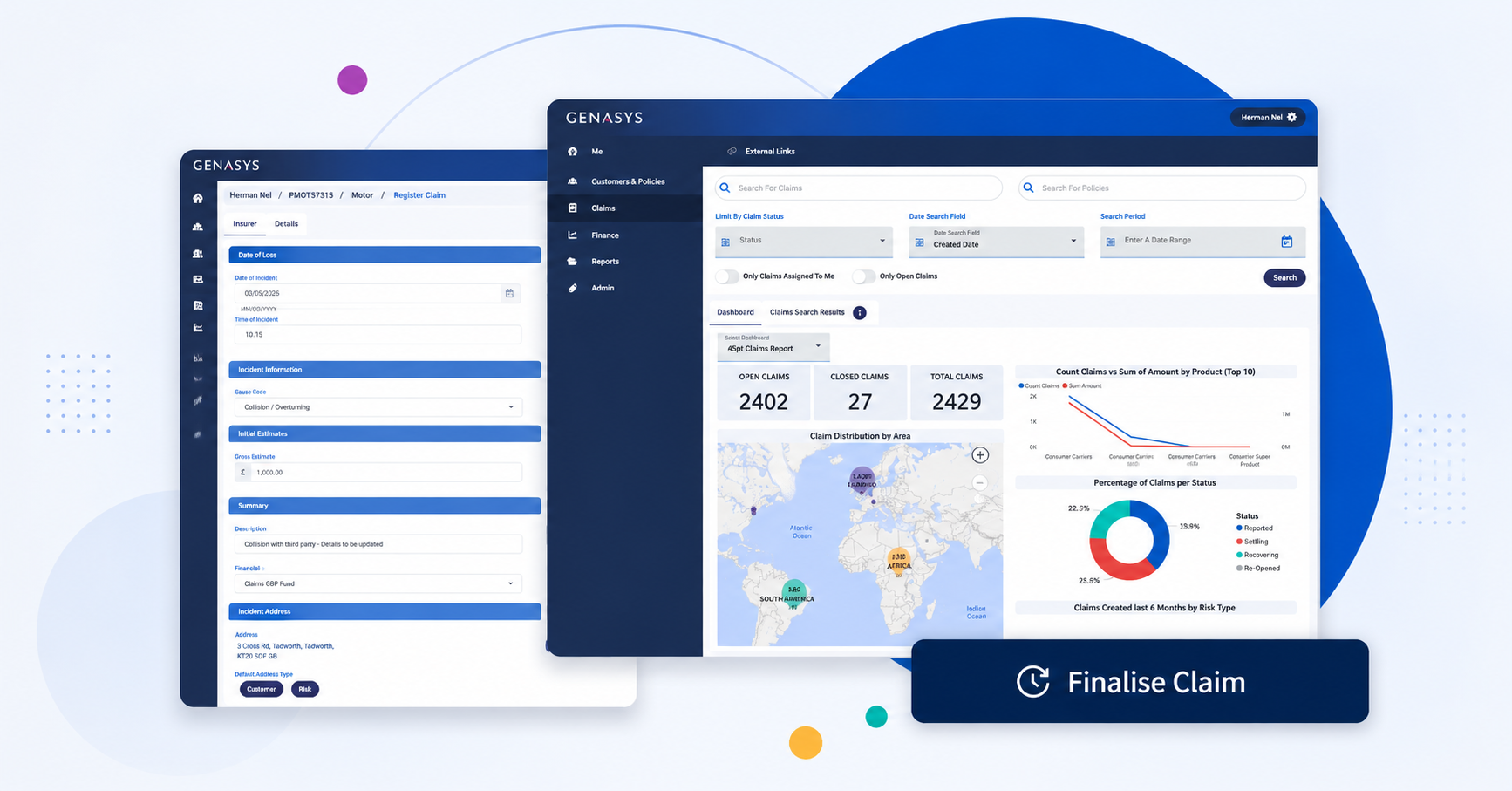
An underwriting workbench is an advanced digital platform meticulously engineered to centralise and unify all the critical tools, diverse data streams, and actionable insights that an underwriter requires to navigate the entire underwriting lifecycle.
This encompasses every stage, from the initial submission intake through to meticulous risk assessment, precise pricing, and ultimately, policy binding and ongoing management.[1, 2] Functioning as a singular, intuitive control panel, it systematically replaces the fragmented systems and disparate applications that historically plagued underwriting departments, thereby significantly reducing reliance on time-consuming manual efforts.[3, 4]
This profound consolidation directly addresses the pervasive operational friction and inefficiencies stemming from siloed data and disconnected workflows. More than just a collection of tools, this comprehensive insurance software solution is specifically designed to support and intelligently facilitate the inherently complex workflow involved in sophisticated risk assessment.
Its overarching strategic objective is to dramatically enhance operational efficiency, empower faster and more accurate decision-making, and enable underwriters to process a substantially higher volume of submissions with unparalleled speed and precision.[5, 6]
In essence, it serves as the digital embodiment of a highly organised physical workbench, where every necessary component is instantly accessible, fully integrated, and seamlessly interconnected, delivering a cohesive and powerful experience previously unattainable within the insurance industry.[1]
This unified, intelligent approach is not merely an incremental improvement; it represents a foundational pillar of successful digital transformation in insurance, driving both operational excellence and strategic agility.
The Evolution of Underwriting: A Historical Perspective
From Manual Judgement to Early Digitalisation
The foundational principles of underwriting can be traced back to the burgeoning maritime and fire insurance markets of 17th century London, famously originating within Edward Lloyd’s coffeehouse.[7, 8]
In its nascent form, underwriting was a profoundly rudimentary and highly subjective process, relying almost entirely on an individual underwriter’s personal judgement, accumulated experience, and often anecdotal evidence, rather than any standardised or data-driven practices.[7, 9]
This inherently manual approach was characterised by its slowness, susceptibility to human error, and a notable lack of consistency across different cases, leading to significant variations in risk assessment and pricing.[9, 10]
Traditional underwriting workflows were intensely labour-intensive, demanding meticulous scrutiny of vast quantities of paper-based documentation. This included everything from handwritten application forms and detailed medical records to extensive historical data files.[10] This cumbersome methodology inevitably resulted in substantial delays, with policy turnaround times frequently extending from weeks to months.
Such protracted processes increasingly frustrated customers who, in an evolving marketplace, began to demand significantly faster and more responsive service.[9, 10] Furthermore, the emergence of stringent regulatory frameworks, such as the General Data Protection Regulation (GDPR), underscored the critical and urgent need for more efficient, technology-driven solutions capable of managing sensitive personal information securely and compliantly.[10]
The inherent limitations and growing pressures on these manual processes directly catalysed the initial wave of digital innovation within the insurance industry.
The Dawn of Integrated Platforms
The decisive transition from predominantly paper-based to increasingly digital systems gained significant momentum from the 1990s onwards, marking a profound shift in how underwriting operations were conducted.[5] The initial wave of digital tools primarily aimed to automate specific, previously manual tasks.
This included, for instance, the automated extraction of data from electronic forms, which effectively eliminated the need for laborious manual re-keying and delivered immediate, albeit foundational, efficiency gains.[5] These early solutions were widely regarded as transformative at the time, successfully migrating insurers from heavily paper-intensive workflows to more streamlined digital record-keeping.
However, these pioneering digital solutions largely served to digitise existing workflows rather than fundamentally reimagining or optimising how underwriting was performed at a strategic level.[5] Consequently, many underwriters continued to face significant operational challenges, often finding themselves compelled to juggle multiple, disconnected systems.
This led to persistent issues such as siloed decision-making, frustrating delays in accessing crucial, real-time data, and inadequate integration with essential third-party data sources.[5] This incremental improvement, while valuable in its own right, proved insufficient to address the deeper, systemic inefficiencies embedded within the underwriting process.
This recognition set the stage for the subsequent development of more integrated, intelligent, and comprehensive platforms, ultimately leading to the sophisticated modern underwriting workbench. This progression vividly illustrates the continuous and evolving need for greater connectivity and interoperability across the entire insurance industry ecosystem.
Unpacking Functionality: What a Modern Underwriting Workbench Delivers
A cutting-edge underwriting workbench stands as a comprehensive insurance software solution, meticulously engineered to integrate a broad and powerful array of tools and capabilities. Its primary purpose is to profoundly streamline and significantly enhance every facet of the underwriting process.
By providing a unified, intelligent, and highly responsive workspace, it empowers underwriters to consistently make faster, more accurate, and more strategically informed decisions. The following subsections detail ten pivotal functionalities that collectively define the advanced capabilities of a truly modern U/W workbench.

Comprehensive Data Integration and Enrichment
Effective modern underwriting is fundamentally dependent on the ability to access and synthesise vast amounts of data originating from diverse internal and external sources.[11] A high-quality underwriting workbench is designed to seamlessly integrate with a multitude of critical data providers.
This includes established sources such as public records, credit agencies, and extensive historical claims management data. Crucially, it also incorporates insights from rapidly emerging data streams, including those from Internet of Things (IoT) devices and telematics, thereby providing underwriters with an exceptionally holistic and granular view of risk.[11]
This sophisticated capability transforms raw, often disparate and messy, information into immediately actionable intelligence, enabling more precise risk assessment.
Beyond mere integration, the underwriting workbench excels at the crucial tasks of cleansing, normalising, and enriching both structured and unstructured data.[2] It possesses the intelligence to ingest and automatically transfer submission data, dramatically reducing the need for manual re-keying – a common source of errors and delays – and significantly enhancing overall data integrity.[12, 13] This advanced capability is particularly vital for processing complex risks where data volume is increasing.
It directly addresses the long-standing challenge of dealing with messy data and the limitations of legacy systems that have historically hindered the efficient and effective utilisation of critical information.[2, 14]
AI-Powered Automation and Decision Support
Artificial intelligence (AI) represents a transformative force for underwriting, and a modern underwriting workbench leverages its capabilities extensively and strategically.[11] It intelligently automates a wide array of repetitive, rules-based tasks, such as initial document analysis, sophisticated fraud detection, and preliminary risk assessment.
This strategic automation frees highly skilled underwriters from mundane, time-consuming activities, allowing them to dedicate their expertise to more complex, nuanced cases and higher-value strategic decisions.[11, 15, 16] This moves beyond simple digitisation to truly intelligent, adaptive assistance.
Natural Language Processing (NLP) stands out as a particularly powerful feature, enabling the system to accurately analyse and extract insights from vast amounts of unstructured data, including complex customer emails, detailed medical reports, and diverse policy documents.[11] This provides underwriters with a more comprehensive and holistic view of each case, significantly reducing the risk of critical oversight – a persistent challenge that traditional systems struggled to overcome.[4, 11]
Furthermore, AI robustly powers advanced predictive analytics for dynamic risk modelling, real-time risk scoring, and sophisticated scenario simulation, thereby enhancing the precision of risk evaluation and optimising resource allocation across the portfolio.[11, 17] This signifies a fundamental shift towards more sophisticated and proactive AI in insurance.
Intuitive User Interface and Workflow Optimisation
An intuitive, highly responsive, and customisable user interface is absolutely paramount for the efficacy of an underwriting workbench. Its design must empower underwriters to focus their cognitive energy on complex decision-making and strategic analysis, rather than on navigating cumbersome and unintuitive insurance software.[11]
Key features such as drag-and-drop functionality, personalised dashboard customisation, and granular role-based access controls ensure that each underwriter experiences a workspace that is both highly efficient and precisely tailored to their specific needs.[11] This thoughtful design significantly reduces cognitive load, directly translating into tangible improvements in productivity, job satisfaction, and overall operational fluidity.
The underwriting workbench delivers a true “single pane of glass” interface, meticulously consolidating all necessary tools, relevant data, and critical processes into one cohesive and easily manageable control panel.[3, 4] This unified view profoundly streamlines workflows, drastically reducing the historical necessity to switch between multiple, disparate applications – a common and debilitating issue where commercial underwriters might typically utilise up to seven separate applications for the processing of a single submission.[3, 4, 12]
This inherent coherence and integration significantly enhances overall operational efficiency and directly addresses the pervasive problem of a “disconnected underwriting experience,” a major pain point for many insurers.[13, 16]
Collaborative Tools for Enhanced Teamwork
Modern underwriting is rarely a solitary activity; it frequently involves close collaboration among multiple internal and external stakeholders, including fellow underwriters, MGAs, Managing General Agents, insurance agents, and risk managers.[11]
A truly collaborative underwriting workbench is specifically designed to foster seamless communication and highly efficient coordination, moving decisively beyond traditional siloed communication channels and inefficient manual handoffs.[4, 11] This crucial capability enables parallel, real-time, and highly effective team-based processes, accelerating decision-making and improving consistency.
Essential collaboration features integrated within the underwriting workbench include robust chat and messaging systems, intuitive task assignment and tracking functionalities, and secure document sharing capabilities complete with comprehensive version control.[11]
This ensures that all relevant parties have immediate access to the latest information, can contribute effectively, and work together efficiently, thereby overcoming the pervasive inefficiencies caused by fragmented information and significantly reducing workflow bottlenecks.[3, 16] Such enhanced collaboration is a key enabler for achieving faster speed to market for new products and facilitating more agile product launches in a competitive landscape.
Robust Regulatory Compliance and Security Features
The inherently highly regulated nature of the insurance industry mandates the implementation of stringent compliance protocols and robust security measures. An ideal underwriting workbench is therefore equipped with comprehensive, built-in compliance tools designed to meet and exceed critical standards such as GDPR and other evolving data privacy laws.[10, 11]
Key features include automated compliance checks that flag potential issues in real-time, secure data storage incorporating advanced encryption techniques, and comprehensive, immutable audit trails that ensure full accountability and transparency.[6, 11] This ensures that compliance is not an afterthought but an integrated, automated, and continuous part of the workflow, significantly reducing legal and financial risks associated with non-compliance.
Cybersecurity is equally, if not more, critical in an increasingly digitised world. The insurance software within the underwriting workbench employs the latest and most advanced security technologies to ensure maximum protection of sensitive customer data and proprietary business information.[6]
This includes multi-factor authentication protocols, secure login mechanisms, and regular, proactive security audits, all designed to mitigate the ever-present and evolving risks in a digital landscape fraught with cyber threats.[6]
The dual focus on automated compliance and robust security directly addresses the increasing complexity introduced by evolving regulatory changes, which can add significant operational burden and complexity to traditional, less automated methods.[10, 14]
Scalability, Flexibility, and Future-Proofing
As businesses inevitably grow and market demands continuously evolve, a truly scalable underwriting workbench is paramount. It ensures that the system can effortlessly handle increased workloads, accommodate a growing user base, and process higher volumes of data without any compromise in performance or responsiveness.[11]
Its inherent flexibility is a critical attribute, allowing for extensive customisation to precisely meet evolving market demands and to seamlessly support the introduction of new lines of business, thereby providing long-term adaptability and sustained value.[6, 11] This stands in stark contrast to rigid, monolithic legacy systems that famously struggle to adapt to changing business requirements.
Many modern underwriting workbenches are strategically built upon open architecture principles and often leverage low-code microservice architecture. This design philosophy enables rapid SaaS deployment and facilitates the easy integration of extensions and third-party applications.[6]
This open connectivity is fundamental, supporting the seamless addition of custom functionalities, bespoke integrations tailored to specific business needs, and the implementation of unique, optimised processes. This ensures that the platform continuously evolves alongside the company’s dynamic business needs, effectively future-proofing the investment.[6, 16]
These deliberate architectural choices are specifically designed to address the persistent constraints imposed by legacy systems and to bridge the historical misalignment between business objectives and technological capabilities.[13]
Advanced Analytics and Real-Time Reporting
Data-driven decision-making is no longer a luxury but an absolute necessity in modern underwriting. A high-quality underwriting workbench therefore includes robust, integrated analytics and reporting tools that consistently provide actionable insights, moving beyond mere data presentation.[11]
Key features to prioritise include highly customisable reports that can be tailored to specific metrics, real-time performance dashboards offering immediate operational visibility, and sophisticated Key Performance Indicator (KPI) tracking capabilities.[3, 11] This represents a fundamental paradigm shift from reactive, retrospective analysis to proactive, dynamic, and predictive risk management.
These powerful tools empower underwriters and senior management to gain a significantly deeper understanding of their entire portfolio, accurately identify emerging trends, and monitor performance in real-time across various dimensions.[3, 11, 18]
This capability directly supports superior risk selection, more precise pricing strategies, and highly proactive portfolio management, fundamentally moving beyond reactive approaches that often lead to missed opportunities or increased exposures. It also directly addresses the pervasive issue of delayed performance data that was prevalent in older, less integrated systems.[2, 5, 18]
This sophisticated analytical capability is absolutely fundamental for effectively leveraging AI in insurance to strategically manage and anticipate future trends within the competitive insurance market.
Streamlined Quote Management and Policy Issuance
The underwriting workbench plays a pivotal role in significantly streamlining and accelerating the entire quote-to-bind process, from initial inquiry to final policy issuance. It incorporates intelligent features for smart submission intake, capable of automatically organising and extracting relevant information from often unstructured submission data, thereby substantially improving submission-to-quote ratios.[6]
Capabilities such as automated quote triaging and comprehensive underwriting request tracking ensure efficient prioritisation and meticulous management of all incoming business, reducing manual intervention and speeding up initial processing.[16, 18] This level of automation drastically reduces manual effort and accelerates the initial stages of the underwriting workflow.
Furthermore, the underwriting workbench facilitates dynamic proposal creation, leveraging real-time data to generate accurate and compelling quotes, which in turn reduces quote turnaround time and associated operational costs.[17] It provides robust support for comprehensive quote documentation and seamless policy issuance, manages client and broker interactions efficiently, and ultimately, facilitates rapid quote binding.[18]
This end-to-end management, from lead generation to policy close, profoundly enhances overall efficiency and critically accelerates speed to market for new products. This agility enables insurers to launch new offerings in under 90 days, a crucial competitive advantage in a fast-moving market.[12, 15, 16]
Efficient Renewals and Endorsements Processing
Beyond its capabilities for new business, the underwriting workbench provides robust and intelligent functionalities for managing the entire policy lifecycle, including streamlined renewals and efficient endorsements processing.[2, 6] It automates significant aspects of the renewal process, such as generating automated renewal recommendations based on sophisticated predictive analytics.
This proactive approach can significantly drive higher client retention rates and enhance overall profitability by identifying optimal renewal terms.[17] This ensures consistency, accuracy, and efficiency in managing existing policies and client relationships.
This advanced functionality substantially reduces manual effort and minimises potential errors that can arise in ongoing policy administration.[2, 6] Crucially, the underwriting workbench also supports the seamless ingestion and intelligent processing of bordereau data, which is absolutely essential for effectively managing complex delegated authority contracts and maintaining accurate, up-to-date records for intricate distribution models.[6]
This comprehensive scope, extending across the entire policy lifecycle, significantly supports operational efficiency and data integrity across the entire insurance software landscape.
Enhanced Risk Assessment and Portfolio Management
Risk evaluation remains the fundamental core of underwriting, and a robust underwriting workbench offers sophisticated, advanced tools for comprehensive risk assessment that go beyond simple data aggregation.[11]
This includes powerful predictive analytics for dynamic risk modelling, real-time risk scoring based on evolving data, and advanced scenario simulation capabilities that allow underwriters to stress-test various outcomes.[11] These tools collectively empower underwriters to better manage incoming risk, proactively monitor their aggregate risk profile, and ensure alignment with the organisation’s defined risk appetite.[18]
Crucially, modern underwriting workbenches transcend a purely case-by-case perspective, enabling robust and holistic portfolio management capabilities.[19] They seamlessly integrate broader, portfolio-level insights, which are absolutely essential for modern insurers to evaluate risks effectively across their entire book of business and to strategically optimise their overall portfolio performance.[5, 19]
This advanced capability directly addresses the historical limitation of “siloed decision-making” prevalent in older workbenches and leads directly to demonstrably improved risk management practices and a tangible reduction in loss ratios across the portfolio.[18]
Five Transformative Benefits of an Underwriting Workbench
The strategic implementation of a modern underwriting workbench offers a multitude of profound advantages, fundamentally transforming underwriting operations and delivering significant, measurable value to insurance companies. These benefits extend strategically across critical areas including operational efficiency, sophisticated risk management, and enhanced organisational agility.

Enhanced Audit and Compliance Oversight
Underwriting workbenches provide highly advanced and integrated tools specifically designed for conducting thorough audits and ensuring strict adherence to complex regulatory requirements.[2] This critical functionality empowers underwriters to maintain an exceptionally high level of accuracy and to comply with evolving regulatory mandates more effectively, such as those stipulated by the Financial Conduct Authority (FCA).[11]
The automated compliance checks and robust, immutable audit trails significantly reduce the manual effort traditionally associated with compliance, while simultaneously mitigating the risk of human oversight. This ensures unparalleled accountability and transparency within an increasingly complex regulatory environment, safeguarding the insurer from potential penalties and reputational damage.
Streamlined Data Management and Centralised Integration
An underwriting workbench functions as a unified, intelligent platform for meticulously managing all aspects of the underwriting process, from the initial intake of new business submissions to the efficient processing of renewals and endorsements.[2]
It serves as the central, intelligent entry point for cleansing, normalising, and enriching both structured and unstructured data sourced from a multitude of diverse origins, including vital third-party data providers and existing internal data silos.[2]
This comprehensive consolidation profoundly improves operational efficiency and drastically reduces the need for manual data entry—a notorious source of bottlenecks, errors, and delays in traditional underwriting systems.[2, 4] The result is cleaner, more reliable data, readily available for informed decision-making.
Improved Risk Management and Reduced Loss Ratios
The strategic deployment of an underwriting workbench empowers insurers to manage incoming risk with far greater precision and to continuously monitor their aggregate risk profile in real-time, ensuring strict alignment with their predetermined risk appetite.[18]
By intelligently leveraging advanced analytics, predictive modelling, and real-time insights, the underwriting workbench significantly enhances the accuracy of risk selection and the precision of pricing strategies.[2, 18]
This directly translates into demonstrably improved risk management practices and a tangible reduction in loss ratios across the entire book of business, thereby safeguarding profitability and contributing significantly to the overall financial health and stability of the insurance industry. For instance, the US P&C industry saw its combined ratio improve to 96.6% in 2024, partly due to better risk selection enabled by advanced tools.[18, 20]
Increased Operational Efficiency and Workflow Optimisation
A core, transformative benefit of an underwriting workbench is its unparalleled ability to automate a vast array of repetitive administrative tasks. This includes, but is not limited to, data extraction, validation, and manual re-keying, processes which can typically consume significant underwriter time.
Such automation can realistically reduce processing time for complex submissions by approximately 50%, significantly impacting the speed of operations.[12, 15] This strategic liberation frees highly skilled underwriters to dedicate their expertise to more complex analytical tasks, nuanced risk assessment, and strategic decision-making, leading to substantially higher productivity and demonstrably lower operational costs across the department.[4, 15]
The intrinsically streamlined workflows and the intuitive “single pane of glass” interface collectively contribute to a profound enhancement in overall operational efficiency, directly addressing the historical inefficiency of underwriters having to juggle multiple, disconnected systems.[3, 4]
Accelerated Speed to Market and Product Innovation
The inherent agility and responsiveness provided by an underwriting workbench dramatically accelerate the launch of new insurance products and the rapid adaptation of existing ones to evolving market conditions. By intelligently automating key processes, providing real-time data insights, and offering dynamic pricing capabilities, insurers can realistically launch innovative new products in under 90 days.[12, 15]
This significantly enhanced speed to market, often facilitated by intuitive no-code product building tools, empowers insurers to respond with unparalleled rapidity to emerging market demands, capitalise on niche opportunities, and consistently maintain a formidable competitive edge.[13, 15] This level of responsiveness is absolutely vital for sustained success in today’s fiercely dynamic insurance market.
Table: Strategic Advantages of Implementing an Underwriting Workbench
Benefit Category | Description | Strategic Impact & Supporting Data |
|---|---|---|
Enhanced Audit & Compliance | Provides tools for audits and regulatory adherence. | Reduces legal and financial risks, ensures accountability, vital for meeting standards like GDPR and FCA regulations.[10, 11] |
Streamlined Data Management | Unifies all underwriting data and processes into a central, intelligent platform. | Significantly improves data integrity, reduces manual data entry errors, and provides a holistic view of risk from diverse sources.[2, 4] |
Improved Risk Management | Enhances risk selection, pricing accuracy, and enables proactive portfolio oversight. | Leads to tangible reductions in loss ratios, better alignment with risk appetite, and supports more profitable portfolio management. (e.g., US P&C combined ratio improved to 96.6% in 2024).[18, 20] |
Increased Operational Efficiency | Automates repetitive tasks, optimises workflows. | Boosts underwriter productivity, reduces processing time by up to 50%, and lowers overall operational costs.[12, 15] |
Accelerated Speed to Market | Facilitates rapid introduction and adaptation of new insurance products. | Enables new product launches in under 90 days, fostering competitive advantage and responsiveness to market shifts.[12, 15] |
Ten Essential Components of a Modern Underwriting Workbench
A truly effective and transformative underwriting workbench is defined by its integrated, intelligent suite of functionalities. Each component plays a crucial role, collectively contributing to a seamless, highly efficient, and analytically driven underwriting experience. These ten essential components empower underwriters to operate with unprecedented precision, speed, and strategic insight.
Comprehensive Data Integration Hub: The underwriting workbench must serve as a central hub, seamlessly integrating vast internal data (e.g., historical claims, policy data, customer profiles) with diverse external sources. This includes public records, credit agencies, and increasingly, real-time data streams from IoT devices and telematics. This ensures a truly holistic and granular view of risk, moving beyond isolated data points.[6, 11]
Advanced AI-Powered Automation Engine: Crucial for automating repetitive and rules-based tasks, this engine leverages advanced AI in insurance capabilities. It handles document analysis, intelligent data extraction, sophisticated fraud detection, and initial risk assessment, dramatically reducing manual effort and potential errors. This includes Natural Language Processing (NLP) for analysing complex unstructured data, transforming it into actionable insights.[11, 12]
Intuitive & Customisable User Interface (UI): A user-friendly, highly responsive, and customisable interface is paramount. Features like drag-and-drop functionality, personalised dashboards, and granular role-based access controls are essential for ease of use, minimising time spent navigating cumbersome insurance software and providing a true “single pane of glass” experience that enhances underwriter focus and productivity.[3, 11]
Sophisticated Risk Assessment & Pricing Tools: These tools are fundamental for precise risk evaluation. They include predictive analytics for dynamic risk modelling, real-time risk scoring based on evolving data, and advanced scenario simulation capabilities. This allows underwriters to move beyond static guidance, enabling more accurate pricing and better alignment with risk appetite.[11, 17]
Integrated Collaborative & Communication Features: To foster seamless teamwork, the underwriting workbench must include integrated chat and messaging systems, intuitive task assignment and tracking, and secure document sharing with robust version control. This facilitates efficient communication among underwriters, MGAs, brokers, and other stakeholders, breaking down communication silos and accelerating decision-making.[3, 11]
Robust Regulatory Compliance & Security Framework: Given the highly regulated nature of the insurance industry, built-in tools for automated compliance checks, secure data storage with advanced encryption, and comprehensive, immutable audit trails are vital. This ensures adherence to standards like GDPR and protects sensitive customer data, mitigating legal and financial risks.[6, 11]
Inherent Scalability & Configurability: The platform must be inherently scalable to handle increasing workloads, data volumes, and user growth without performance degradation. Its configurability allows for extensive customisation to support new lines of business, adapt to evolving market demands, and integrate bespoke processes, ensuring long-term adaptability and value.[6, 11]
Open Architecture & API-First Design: Leveraging open architecture and API-s, often built on a low-code microservice architecture, is critical. This design enables seamless connectivity and easy integration with existing core systems, third-party applications, and emerging technologies, ensuring future-proofing and adaptability within the broader ecosystem without requiring disruptive rip-and-place projects.[6, 16]
Real-Time Analytics & Performance Reporting: Robust analytics and reporting capabilities are essential for data-driven decision-making. This includes customisable reports, real-time performance dashboards, and sophisticated Key Performance Indicator (KPI) tracking. These tools provide actionable insights for proactive portfolio management, identifying trends, and continuous performance monitoring.[3, 11]
End-to-End Quote-to-Bind Workflow Automation: This component streamlines the entire new business process. It encompasses smart submission intake, intelligent quote triaging, dynamic proposal generation, and automated quote binding. This reduces manual intervention, significantly cuts turnaround times, and enhances overall efficiency from initial lead to policy issuance.[6, 17, 18]
Five Transformative Real-World Use Cases of an Underwriting Workbench
The practical application of an underwriting workbench extends across a diverse range of critical scenarios within the insurance industry, unequivocally demonstrating its versatility, profound impact on operational efficiency, and significant contribution to strategic outcomes. These use cases highlight how the underwriting workbench empowers insurers to navigate complex challenges and seize new opportunities.
1. Accelerating New Product Launches and Market Responsiveness
In today’s intensely competitive insurance market, the agility to rapidly introduce innovative new products is a paramount strategic advantage. An underwriting workbench fundamentally facilitates this by automating key underwriting processes and providing real-time access to crucial data and dynamic pricing insights.
This capability enables insurers to dramatically reduce time-to-market, often launching sophisticated new products in under 90 days.[12, 15] This accelerated pace, frequently supported by intuitive no-code product building tools, allows insurers to adapt with unparalleled speed to emerging market demands, capitalise on niche opportunities, and consistently maintain a formidable competitive edge.
2. Optimising Complex Commercial and Specialty Underwriting
For commercial and specialty lines of business, underwriting inherently involves navigating highly complex data sets, intricate risk profiles, and often requires collaboration among multiple internal and external stakeholders. The underwriting workbench provides a consolidated, “single pane of glass” view of all pending tasks, coupled with near-instant access to comprehensive data and dynamic pricing insights, thereby profoundly streamlining the entire process.[12]
It intelligently facilitates straight-through processing (STP) for simpler, rules-based requests, while simultaneously enabling a “human-in-the-loop” methodology. This ensures that expert underwriters intervene only in more challenging, nuanced cases, significantly lowering overall labour costs and optimising resource allocation.[12]
3. Enhancing Financial Crime and Sanctions Compliance
Adherence to stringent financial regulations and international sanctions lists is absolutely paramount for insurers, carrying significant legal and reputational risks. An underwriting workbench plays a critical role here by automating comprehensive financial crimes and sanctions checking processes.
This automation drastically reduces the time taken for these vital compliance tasks, transforming what could be hours of manual review into mere minutes.[12] This not only dramatically improves operational efficiency but, more importantly, significantly mitigates the substantial regulatory and reputational risks that insurers face in a globalised and highly scrutinised financial environment.
4. Empowering Digital MGAs and Delegated Authority Operations
Digital MGAs and entities operating under Delegated Authority models stand to benefit immensely from the advanced capabilities of the underwriting workbench. It offers a consolidated, real-time view of all underwriting tasks and seamlessly integrates with existing systems, allowing these agile entities to underwrite with far greater efficiency and precision.
Crucially, it facilitates the smooth and accurate ingestion and processing of bordereau data, which is essential for managing complex Delegated Authority contracts and maintaining robust oversight.[6, 12] This empowers MGAs to leverage cutting-edge technology solutions without being burdened by the constraints of legacy IT infrastructure, fostering agility and growth.
5. Driving Hyper-Personalised Pricing and Customer Centricity
In an era where customer expectations for tailored solutions are soaring, the underwriting workbench provides a sophisticated, dynamic pricing engine that allows underwriters to quickly analyse granular data and construct ultra-personalised policies.
By intelligently leveraging advanced analytics and powerful AI in insurance capabilities, the platform can incorporate a multitude of granular data point, from individual risk factors to real-time market conditions, to offer highly tailored premiums.[12]
This capability not only enhances customer engagement and satisfaction by meeting their demand for bespoke solutions but also significantly boosts competitiveness and profitability by ensuring pricing accurately reflects individual risk. This supports the growing demand for bespoke insurance solutions in the evolving insurance market.
Is an Underwriting Workbench Still Needed? A Critical Debate
The rapid advancement of insurance software and the pervasive industry push towards highly connected, modern core systems inevitably raises a pertinent and strategic question: is a dedicated underwriting workbench still genuinely necessary, or has its utility been subsumed by more comprehensive platforms?
While it is undeniable that modern Policy Administration Software (PAS) and other core systems are increasingly robust and feature-rich, the unique and specialised value proposition of a purpose-built underwriting workbench often remains compelling and strategically indispensable.
The Argument for Modern Core Systems
Proponents of fully integrated core systems passionately argue that a truly modern policy administration software should, by its very design, encompass all necessary underwriting functionalities, thereby rendering a separate workbench redundant.
Their vision is of a seamless, unified ecosystem where data flows effortlessly and intelligently across all functions, and where all processes, from initial policy issuance to sophisticated claims management, are meticulously handled within a single, monolithic platform. This holistic approach aims to significantly reduce complexity, eliminate data silos, and mitigate the challenges associated with managing multiple vendor solutions.
Indeed, many insurers are making substantial investments in digital transformation initiatives specifically aimed at modernising their core systems. A recent survey indicated that a significant 78% of organisations planned to increase their technology spending in 202coming year, with AI in insurance, big data analytics, and cloud infrastructure identified as top strategic priorities.[21]
The overarching goal of these investments is to dramatically improve operational efficiency, accelerate speed to market for new products, and enhance digital customer experiences by systematically addressing long-standing limitations such as fragmented legacy systems and inefficient manual data entry processes.[4, 22]
Objection 1: Redundancy with Integrated Core Systems
A primary and frequently voiced objection suggests that if core systems were truly highly connected and comprehensively modernised, a separate underwriting workbench would become entirely redundant. The argument posits that a genuinely advanced Policy Admin system, equipped with robust API-s and founded on open architecture principles, could directly provide all the necessary data integration, sophisticated workflow automation, and intelligent decision support, thereby eliminating the need for an additional, potentially superfluous, technological layer.[5]
Dismissal: While it is true that modern core systems are significantly more capable than their predecessors, their primary design and optimisation often revolve around “policy manufacturing”—the efficient processing and administration of policies—rather than the nuanced, highly analytical, and often subjective work of underwriting.[15]
A dedicated underwriting workbench is purpose-built and meticulously engineered to aggregate, cleanse, and contextualise diverse, often disparate, data specifically for the complex task of risk assessment and pricing, a function that even the most advanced core systems may not fully optimise. Furthermore, and critically, underwriting workbenches can strategically act as an agile integration layer, operating independently from entrenched legacy technology.This provides underwriters with real-time, consolidated information and advanced tools without necessitating a complete, costly, and disruptive overhaul of existing core infrastructure.[19] This approach allows insurers to strategically leverage existing investments while simultaneously gaining highly specialised underwriting capabilities that drive competitive advantage.
Objection 2: Limited Holistic Portfolio View
Critics of the underwriting workbench frequently argue that traditional iterations of these platforms often lead to siloed decision-making, failing to integrate the broader, holistic portfolio-level insights that are absolutely necessary for modern insurers to effectively evaluate and manage aggregate risks.[5]
They contend that a workbench, primarily focused on individual submissions, cannot provide the comprehensive, real-time portfolio management capabilities offered by more advanced, enterprise-wide platforms like dedicated RiskOps solutions.[5]
Dismissal: This objection, while valid for earlier generations of workbenches, largely mischaracterises the capabilities of modern underwriting workbench solutions. These platforms have undergone significant evolution to incorporate robust and sophisticated portfolio management capabilities, decisively moving beyond a pure case-by-case perspective.[19]
They strategically leverage advanced analytics, powerful AI in insurance algorithms, and real-time data streams to provide comprehensive visibility and proactive management of the entire portfolio. This empowers insurers to align individual underwriting decisions with overarching strategic business objectives and to effectively manage aggregate risk exposure across their entire book of business.[11, 18]
The modern underwriting workbench is designed to provide both granular and macro-level insights, ensuring a truly holistic risk view.
Objection 3: Insufficient Real-Time Data and AI Capabilities
Another significant objection posits that many underwriting workbenches frequently fall short in providing truly real-time data and deeply integrated AI in insurance capabilities. This perceived deficiency, critics argue, leads to ineffective decision support based on static, outdated guidance or rule sets, suggesting that these workbenches cannot keep pace with the dynamic, data-driven needs of contemporary underwriting.[5]
Dismissal: While it is true that some older or less advanced workbenches may indeed exhibit these limitations, the current generation of underwriting workbench solutions has been meticulously engineered to heavily integrate advanced AI in insurance functionalities, sophisticated predictive analytics, and robust real-time data streams.[11, 17]
These modern platforms are designed to automate complex tasks, offer intelligent, context-aware recommendations, and process vast amounts of unstructured data, thereby transforming raw information into immediately actionable insights in real-time.[11]
This continuous and rapid evolution ensures that modern underwriting workbenches are at the absolute forefront of data-driven decision-making, providing the dynamic, intelligent support that underwriters critically require in today’s volatile and rapidly evolving risk environment.[19]

The Role of the Underwriting Workbench
The underwriting workbench has undergone a profound evolution, transforming from a rudimentary digitisation tool into an indispensable, strategic asset within the modern insurance industry. While the ambitious pursuit of highly connected and fully integrated core systems is a commendable objective, the inherently specialised and analytically intensive nature of underwriting unequivocally demands a dedicated platform.
This platform must be specifically designed to consolidate sophisticated tools, diverse data, and actionable intelligence, all meticulously tailored for precise risk assessment, dynamic pricing, and holistic portfolio management.
The strategic benefits derived from such a platform are clear and compelling: significantly enhanced audit and compliance oversight, streamlined and intelligent data management, demonstrably improved risk management leading to reduced loss ratios, substantial increases in operational efficiency, and critically, an accelerated speed to market for innovative new products.
These multifaceted advantages directly address the escalating complexities and competitive pressures of today’s insurance market, empowering insurers to make more precise and profitable decisions, significantly reduce operational costs, and adapt with unparalleled swiftness to emerging opportunities.
As the insurance industry continues its relentless journey of digital transformation, the U/W workbench will remain a pivotal and non-negotiable component of a robust, agile, and future-proof ecosystem, empowering underwriters to navigate an increasingly complex landscape with unwavering confidence, unparalleled expertise, and strategic foresight.