How To Identify Great MGA Software
Managing General Agents (MGAs) occupy a crucial position within the insurance distribution ecosystem. They expertly manage underwriting, distribution and claims administration for specialty and niche markets [1, 2]. This distinct operational model demands a highly specific approach to MGA software. Generic MGA software solutions are often insufficient to meet the intricate demands of an MGA.
The rapid pace of digital transformation places considerable pressure on MGAs to deliver faster, smarter and more efficient services [1]. To maintain a competitive edge and foster sustainable growth, investing in purpose-built MGA software is not merely an option but a strategic imperative [1, 3]. This guide explores the critical factors for identifying and procuring the ideal MGA software, ensuring long-term operational excellence and market leadership.
Unique Technology Requirements and Infrastructure for MGA Software
MGAs possess specialised underwriting authority granted directly by insurance carriers. This empowers them to perform functions typically reserved for insurance companies [2, 4]. This distinct operational model mandates technology that differs significantly from systems employed by traditional insurers or brokers.
Distinct Demands of the MGA Model
MGAs typically operate with leaner teams and frequently manage multiple carrier partners and diverse product lines [1]. This structure necessitates highly configurable systems. Such systems must support various lines of business, complex rulesets and intricate workflows without extensive IT intervention [1]. Speed to market is a crucial competitive differentiator, demanding platforms that facilitate new product launches in days, not months [1].
MGAs must adapt to regulatory changes immediately. Their technology should empower underwriters to configure and test modifications without needing to write code [1]. Seamless connectivity between carriers and agents is also paramount, as MGAs bridge these parties [1]. Outdated or fragmented MGA software creates silos, leading to communication delays and errors that undermine operational effectiveness [1].
Specialised Underwriting Needs
MGAs frequently underwrite complex or niche risks that standard rating engines cannot accommodate [1]. Their MGA software must therefore incorporate advanced tools. These include predictive modelling, risk scoring and data enrichment from third-party sources [1]. These sophisticated capabilities are essential for supporting high-quality, data-driven underwriting decisions without impeding the speed of the submission process [1]. MGAs thrive by specialising in niche risks [5].
To achieve profitability in these areas, MGAs require superior risk assessment capabilities. These go beyond what standard rating engines provide [1]. Consequently, the MGA software for MGAs must support sophisticated data ingestion and analysis. This enables MGAs to sustain their competitive advantage through superior underwriting, rather than solely relying on distribution efficiency. This necessitates a robust data architecture capable of handling complex data sets and advanced analytical processes.
Compliance and Reporting at Scale
Regulatory demands are continuously increasing, particularly for MGAs operating across multiple jurisdictions or collaborating with diverse carrier partners [1]. Purpose-built MGA software must ensure compliance. This is achieved through features such as pre-built regulatory frameworks, comprehensive regulatory data capture, rule-based engines and automated form generation for region-specific rates, rules, fees and taxes [1]. Automated document generation, role-based access controls and detailed audit trails are also indispensable [1].
This automation significantly reduces regulatory risk. It also minimises hours of manual work, freeing up valuable resources [1]. Furthermore, MGAs require robust visibility and granular control over key performance metrics. These include submission-to-bind ratios, producer performance, carrier profitability and claims patterns [1]. Built-in dashboards and business intelligence tools provide real-time visibility across all these dimensions, facilitating data-driven decisions and optimising growth strategies [1].
The dual pressure of increasing regulatory demands and the need for leaner teams presents a significant operational challenge. Only highly automated and purpose-built technology can effectively resolve this. Manual compliance processes are simply unsustainable for MGAs. Compliance is inherently resource-intensive [6]. If MGAs maintain lean teams [1], manual compliance becomes a major burden, diverting critical resources from core business activities. Automated regulatory frameworks and real-time reporting [1] are therefore essential for survival and growth. They enable MGAs to scale operations without a proportional increase in compliance headcount, thanks to effective MGA software.
|
Feature/Requirement |
Traditional Insurer |
Traditional Broker |
Managing General Agent (MGA) |
|---|---|---|---|
|
Core Function |
Risk Carrier, Capital Provider |
Distribution, Client Relationship |
Underwriting Authority, Niche Distribution, Claims Admin |
|
Product Focus |
Broad, Standardised Lines |
Diverse, Sourced from Carriers |
Niche, Specialty, Complex Risks |
|
System Flexibility |
Often rigid, legacy systems |
Client/Policy Management focused |
Highly configurable, adaptable to new products/rules [1] |
|
Speed to Market |
Slower, complex product cycles |
Less direct involvement in product launch |
Critical for competitive advantage, rapid product deployment [1] |
|
Carrier Connectivity |
Primarily internal systems, limited external |
Connects to multiple carriers for quotes |
Seamless, multi-carrier integration [1] |
|
Underwriting Tools |
Deep, in-house rating engines |
Basic quoting, relies on carrier |
Advanced, predictive modelling, data enrichment [1] |
|
Compliance & Reporting |
Extensive, internal regulatory teams |
Focus on agent licensing, client data |
Comprehensive, automated for multiple jurisdictions [1] |
|
Team Structure |
Large, departmentalised IT |
Smaller, sales-focused IT |
Lean, agile, business users empowered [1] |
|
Cost Structure |
High fixed IT infrastructure |
Variable, often SaaS-based |
Affordable, scalable from day one [1, 3] |

The Criticality of Affordable, Scalable Technology for MGAs
The financial model inherent to MGAs profoundly highlights the absolute necessity of affordable and scalable technology. MGAs primarily generate revenue through commissions paid by insurers, often termed “overrides”. These typically account for 60% to 80% of an MGA’s total revenue [6]. They also earn profitability contingents, which are performance-based commissions from insurers, usually contributing 20% to 30% of revenue [6]. Additional services, such as claims administration, can provide a further 5% to 10% [6].
Understanding MGA Commission Structures
While MGAs derive a substantial portion of their revenue from commissions, the net amount retained by the MGA can be notably lower. When business is placed through an MGA or wholesaler, the commissions paid to the downstream agent or broker are typically one-half to one-third less than what they would receive with a direct carrier appointment [7]. This structure implies that the MGA’s overall commission rate on the premium might be lower than a direct appointment. This results in a smaller share of the premium for the MGA to cover its own operational costs and generate profit.
In the UK, the average commission charged by MGAs is estimated to be around 30% of gross written premium [8]. However, this can fluctuate significantly, ranging from single digits to as high as 70%, depending on the specific product and its corresponding loss ratio [8]. Launching an MGA with a 50% commission rate would be challenging. A rate of approximately 40% is likely permitted if adequately justified [8]. Some London market executives contend that acquisition costs, including MGA commissions, are excessively high, suggesting a maximum of 20% to maintain competitiveness [9].
This persistent pressure on commission rates, coupled with the MGA’s inherent operating expenses, means the actual retained profit margin for the MGA can be exceptionally tight. While explicit data for “retained MGA commissions as low as 5% in wholesale” was not directly available, the contextual information strongly suggests that after accounting for broker commissions, operational costs and prevailing market pressures, the net retained commission profit could indeed be extremely low. This renders every efficiency gain absolutely critical.
The Imperative for Efficiency
Given potentially tight margins, affordable, scalable technology is essential from day one [1, 3]. MGAs are increasingly prioritising operational efficiency and strategically leveraging technology to support their organisational goals [3]. Modern MGA software streamlines processes, significantly reduces manual work and enhances accuracy. This is vital for maintaining profitability [1, 10]. Automation and artificial intelligence (AI) are rapidly becoming cornerstones of everyday operations, leading to new business opportunities and substantial increases in efficiency [3].
Investment in Digital Transformation
The COVID-19 pandemic catalysed a widespread digital overhaul across the insurance industry. Investors favoured organisations that adopted technology for innovative approaches [11]. MGAs, being generally smaller and more adaptable than traditional carriers, are ideally positioned for experimenting with digital processes and new technologies [11]. Their more streamlined leadership structures facilitate quicker adaptation and investment decisions [11]. While insurtech funding experienced a decline in 2023, primarily driven by a broader market downturn and a failure to consistently demonstrate profitability [11], the long-term interest in technology-driven MGAs persists [11]. Future investment will increasingly prioritise sustainability and durability [11]. This dictates that MGA software must offer not only initial cost-effectiveness but also long-term value, supporting sustainable expansion and effectively reducing overhead costs [10].
The shift from “rapid expansion to profitability” for MGAs implies that technology choices are now predominantly driven by a need for robust, efficient core systems rather than experimental, cutting-edge solutions. Earlier insurtech investment often rewarded novel approaches [11]. However, current market conditions demand demonstrable profitability [3]. This means MGAs require MGA software that delivers proven operational efficiency and supports disciplined underwriting [12]. The focus is firmly on establishing core functionality first [13].
The observation that MGAs serve as “ideal sandboxes for experimenting with digital processes and new technologies” [11] indicates that their technology choices should not merely resolve immediate problems. They should also provide a flexible platform for future innovation and adaptation without requiring costly overhauls. MGAs’ inherent agility [5, 11] allows them to trial new tools and approaches faster than larger carriers [10]. The MGA software selected should therefore not be a static MGA software solution. It must be a dynamic platform capable of evolving with emerging technologies like AI, enabling continuous experimentation and refinement of offerings. This reinforces the critical need for open architecture and extensive configurability.
Top 10 Non-Negotiable MGA Software Features at Launch
Selecting the appropriate MGA software is a foundational decision for an MGA’s success. These ten features represent non-negotiable requirements for a robust MGA platform at launch, ensuring operational efficiency, compliance and substantial growth potential.

1. Integrated Policy Administration
The MGA software must comprehensively manage the entire policy lifecycle, from initial quote to final bind, with straight-through processing capabilities [14, 15]. This includes automated document management, efficient policy issuance and streamlined renewals [14, 16]. Crucially, the system should be capable of handling various lines of business and supporting diverse rulesets and workflows with minimal manual intervention [1].
2. Robust Claims Administration
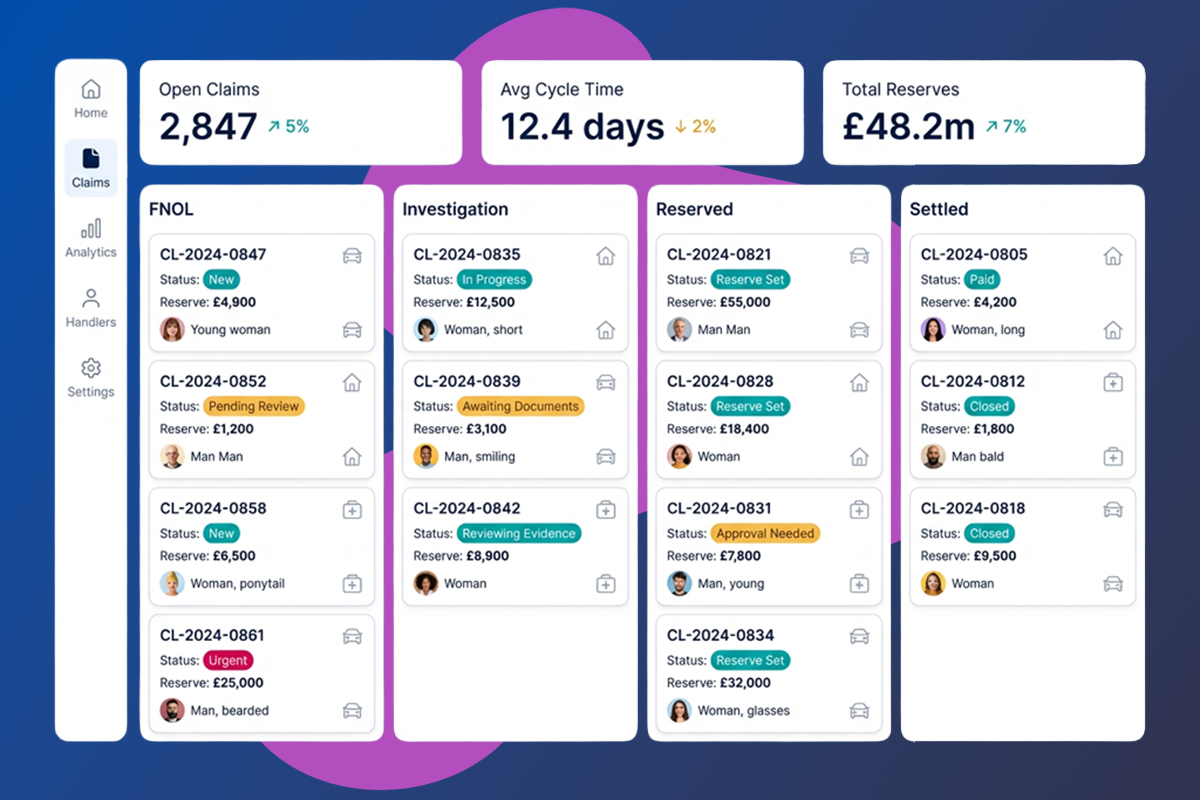
Many MGAs are responsible for managing claims administration. This necessitates MGA software that can handle the First Notice of Loss (FNOL), subsequent claims processing and accurate loss reserve management [14]. Essential capabilities include sophisticated fraud identification, claims triage for rapid closure and robust task management to ensure operational efficiency [14]. Integrated claims management with policy and accounting systems is paramount for maintaining checks and balances across financial and operational data [16].
3. Advanced Underwriting Tools
MGA software must extend beyond basic quoting functionalities, enabling complete control over the underwriting process [14]. This encompasses predictive modelling, precise risk scoring and comprehensive data enrichment from third-party sources, particularly for complex or niche risks [1]. The system must support data-driven underwriting decisions without introducing delays into the submission process [1].
4. Configurability and Customisation
Given that no two MGAs are identical, the MGA software must be highly customisable to meet their specific needs [16, 17]. It should allow for the tailoring of custom fields, workflows and reports to align with unique business requirements [17]. The system must readily accommodate specific billing and commission processes without necessitating burdensome workflow overhauls.
5. Seamless Integration Capabilities
Robust integration via open APIs is indispensable for connecting with multiple carriers, agency management systems and other third-party tools such as accounting software or Customer Relationship Management (CRM) systems [15, 16, 17]. This ensures consistent data alignment and uninterrupted connectivity across the entire business, effectively eliminating manual data transfer and re-keying errors [10].
6. Real-time Reporting and Analytics
MGAs require comprehensive reporting capabilities to effectively monitor key business metrics [1]. The MGA software should provide real-time dashboards, advanced business intelligence tools and customisable reports for informed, data-driven decision making [1, 17]. This includes granular insights into submission-to-bind ratios, producer performance and carrier profitability [1].
7. Scalability and Cloud-Native Architecture
As MGAs experience growth, the MGA software must be inherently scalable to handle increasing data volumes, users and transactions without compromising performance or reliability [17]. Cloud-based solutions offer superior availability, disaster recovery and 24/7 support. This eliminates the need for expensive on-site servers and dedicated IT managers [17, 18].
8. Comprehensive Security and Compliance
The handling of sensitive insurance data mandates robust MGA software security features and strict compliance with industry regulations such as HIPAA, SOC 2 and PCI DSS [17]. This includes advanced data encryption, granular role-based access control and multi-factor authentication [17]. Built-in regulatory frameworks and comprehensive audit trails are also essential for maintaining adherence and transparency [1].
9. Intuitive User Experience
The MGA software must be intuitive and user-friendly, featuring a simple interface that facilitates easy navigation for all team members [17]. This “no-fuss” solution ensures operational efficiency and seamless connectivity, empowering users without requiring specialised coding expertise [14].
10. Multi-Currency and Geographic Support
For MGAs aspiring to international expansion, the MGA software must inherently support international currencies, diverse address formats and various phone number conventions [16]. This capability is crucial for facilitating smooth growth into new regional or global markets and managing international operations effectively [16, 19].
The requirement for integrated policy administration, accounting, and claims points to a fundamental need for a single source of truth across the MGA’s operations. This is critical for accurate financial reconciliation and holistic risk assessment. Disparate systems inevitably lead to data silos, duplicate entry and reconciliation headaches. When accounting and claims are seamlessly integrated with policy administration, it ensures that commission calculations are accurate [15], loss reserves are managed effectively [14] and overall profitability can be tracked in real time [1]. This integration is about maintaining operational integrity, not just individual feature sets.
The emphasis on customisation and configurability is a direct reflection of the niche nature of MGA business. A one-size-fits-all approach is explicitly impractical [17]. MGAs thrive by addressing underserved niches [20]. These niches often involve unique rules, complex workflows and specific data requirements. If the MGA software cannot be easily adapted to these particularities, the MGA risks losing its core competitive advantage. This implies that the MGA software architecture must be inherently flexible, allowing business users to adapt it without constant reliance on the vendor for every modification [1].
The combination of real-time reporting and advanced underwriting tools suggests that MGAs are evolving towards a highly data-driven operational model. Here, insights are used for proactive decision making, rather than merely historical analysis. Real-time data empowers MGAs to monitor performance instantaneously [1]. When combined with predictive modelling capabilities [1], it enables them to identify early warning signs of deteriorating performance or uncover new opportunities [21]. This capability is crucial for maintaining disciplined underwriting and demonstrating consistent profitability to capacity providers [21], a key benefit of advanced MGA software.
|
Feature |
Description & Why It Matters |
|---|---|
|
1. Integrated Policy Administration |
Manages the entire policy lifecycle (quote to bind, issuance, renewals) with straight-through processing. Eliminates manual errors and speeds up operations. [14, 15] |
|
2. Robust Claims Administration |
Handles FNOL, processing, and loss reserve management. Includes fraud identification, claims triage, and task management for efficient, accurate claims handling. [14, 16] |
|
3. Advanced Underwriting Tools |
Provides predictive modelling, risk scoring, and third-party data enrichment. Essential for accurately assessing and pricing complex, niche risks. [1] |
|
4. Configurability & Customisation |
Allows tailoring of custom fields, workflows, and reports to unique MGA business rules and processes. Prevents workflow overhauls. [16, 17] |
|
5. Seamless Integration Capabilities |
Open APIs enable connectivity with multiple carriers, agents, CRMs, and accounting systems. Ensures data flow, reduces re-keying. [15, 17] |
|
6. Real-time Reporting & Analytics |
Offers dashboards, business intelligence, and custom reports for immediate insights into performance metrics (e.g., submission-to-bind, profitability). [1, 17] |
|
7. Scalability & Cloud-Native Architecture |
Supports business growth by handling increasing data, users, and transactions. Cloud-based for high availability and flexibility, reducing IT overhead. [17, 18] |
|
8. Comprehensive Security & Compliance |
Protects sensitive data with encryption, role-based access, and two-factor authentication. Includes built-in regulatory frameworks and audit trails. [1, 17] |
|
9. Intuitive User Experience |
User-friendly interface for all team members, minimising training and errors. Ensures efficient adoption and daily operations. [14, 17] |
|
10. Multi-Currency & Geographic Support |
Facilitates international expansion by supporting global currencies, addresses, and regulatory requirements. [16, 19] |
The 5 Commonly Missed MGA Software Features – Forgotten Until It’s Often Too Late
Beyond the essential core functionalities, certain features are frequently overlooked during initial MGA software procurement. This oversight can lead to significant operational challenges and hinder long-term growth and agility.

1. True Customisation and Flexibility Beyond Basic Configuration
While configurability is undoubtedly essential, many MGAs fail to anticipate the depth of customisation truly required for their evolving operations. MGA software that merely permits basic field changes may prove insufficient to support complex, dynamically evolving niche products or highly unique operational nuances. MGAs need a system that can genuinely adapt to their distinct characteristics without forcing cumbersome workflow overhauls. This includes the crucial ability to build and iterate on products rapidly, not just configure existing ones within predefined parameters.
The distinction between “configurability” and “true customisation” highlights a critical nuance. MGAs require systems that can be fundamentally re-shaped to fit highly specific, evolving niche products, not merely adjusted within predefined parameters. MGAs differentiate themselves through niche specialisation [5]. If their MGA software only allows basic configuration, it severely restricts their ability to genuinely innovate and adapt their products as market needs shift. True customisation, often enabled by no-code or low-code platforms [10, 21], empowers MGAs to build entirely new product logic or workflows. This is essential for maintaining their competitive advantage in dynamic markets.
2. Agile Product Development (No-Code/Low-Code)
Speed to market is a defining differentiator for MGAs [1]. Yet many often underestimate the profound importance of no-code or low-code product building capabilities [10, 21]. Without this agility, launching new products can extend to months. This results in significant losses of valuable time and potential revenue [21, 22]. No-code MGA software specifically empower business users to design, build and test new insurance products in a matter of weeks. This eliminates the traditional reliance on dedicated developers [10, 21].
3. Robust API Ecosystem for Future Integrations
MGAs frequently focus on immediate integration needs [17]. However, they may inadvertently neglect the comprehensive breadth and inherent openness of a vendor’s Application Programming Interface (API) ecosystem. A truly open architecture facilitates seamless connection with a wide array of third-party data providers, advanced analytics tools, diverse distribution portals and future technological innovations [16, 23]. Without robust APIs, connecting with cutting-edge tools or expanding into new service offerings becomes exceedingly challenging [24]. This limitation directly impedes future growth and the extraction of deeper data insights.
The importance of a robust API ecosystem extends beyond current integrations. It is about future-proofing the MGA’s technology strategy against vendor lock-in. It also enables active participation in an increasingly interconnected insurance value chain. The insurance sector is experiencing a growing trend towards more partnerships and extensive data exchange [20, 25]. If an MGA software has limited APIs, it will struggle to integrate with emerging insurtech solutions or new data sources. This could potentially isolate it from future innovations and collaborative opportunities. An open architecture [23] is therefore a strategic asset, ensuring long-term flexibility and a strong competitive position.
4. Proactive Regulatory Updates and Built-in Compliance Mechanisms
While compliance is universally acknowledged as critical [1], MGAs often overlook how dynamically the software updates to accommodate evolving regulatory requirements [1, 26]. Regulatory demands continue to escalate. A purpose-built solution should proactively offer pre-built regulatory frameworks and automated compliance features [1]. This includes automated alerts and comprehensive audit trails, significantly reducing manual effort and ensuring ongoing adherence to complex regulations [1].
The oversight of proactive regulatory updates suggests a common underestimation of the dynamic nature of compliance. Compliance is not a one-time setup but an ongoing, continuously evolving requirement that technology must support automatically. Regulatory scrutiny on MGAs is increasing, particularly concerning Consumer Duty and Fair Value regulations [27, 28]. Manual compliance processes are resource-intensive [6]. If the MGA software does not proactively update or provide automated mechanisms for compliance, MGAs face significant regulatory risk and a substantial drain on resources. This diverts focus from growth initiatives.
5. Comprehensive Data Quality and Governance Tools
MGAs rely heavily on accurate data for effective underwriting and performance monitoring [1]. However, the tools and processes for ensuring data quality, consistency and robust governance are frequently treated as an afterthought. Disconnected systems and delayed reporting make it exceedingly difficult to accurately track spending, identify potential savings or flag critical policy issues. A truly robust MGA software platform should provide clear, actionable insights into spending patterns and ensure data integrity across the entire organisation. This includes dedicated tools for data cleansing, enrichment and real-time analytics.
Effective MGA Software Procurement: A Strategic Approach
Procuring MGA software represents a significant investment that demands a strategic, multi-faceted approach. A structured and well-defined process is crucial for minimising risks and ensuring that the chosen solution aligns precisely with the MGA’s overarching business goals [29, 30].

Defining Clear Requirements
The initial step involves clearly defining both business and technical requirements in a written format [31]. This extends beyond a mere list of desired features. It necessitates a detailed understanding of the proposed future state processes, specifically addressing quality, information and efficiency shortfalls [29]. It is imperative to involve all relevant stakeholders to gain comprehensive insight into current pain points and underutilised technologies [30]. During this phase, it is beneficial to ask the team to distinguish between “must-have” features and those that are merely “nice-to-have” [32].
The move from a “typical list of requirements” to a “proposed future state process and information map” signifies a strategic shift in procurement. It moves from merely replacing old systems to actively designing future operational efficiency. If MGAs are focused on profitability and operational efficiency [3], then their MGA software procurement cannot be a simple like-for-like replacement. Instead, it must be viewed as an opportunity to redefine workflows and leverage technology to achieve new levels of performance. This implies that the procurement process itself transforms into a strategic business transformation exercise.
Vendor Evaluation Process
Following the definition of requirements, a comprehensive list of potential vendors should be compiled. A Request for Information (RFI) should be issued to ascertain their suitability [29, 31]. The RFI should be concise, enabling vendors to self-select based on their capacity to meet the specified requirements [29]. Responses should then be evaluated to create a “short list” of viable candidates [31]. Key considerations during this evaluation include cost, features, data security, accessibility and the quality of customer service [33]. It is advisable to seek vendors with a proven track record, relevant industry certifications and a clear trajectory of growth [32, 34].
Proof of Concepts (POCs) and Hands-On Testing
System demonstrations should be organised in multiple rounds [29]. Initial demonstrations typically showcase the broad capabilities of the offering, influenced by the user requirements. However, subsequent rounds demand a detailed script that follows critical end-to-end business processes, utilising sample data provided by the MGA [29]. This approach facilitates hands-on testing. It allows for a thorough assessment of whether the system is easily configurable, employs modern technology and can genuinely support the MGA’s specific user requirements [29]. A Proof of Concept (POC) aims to apply the proposed AI solution to a specific insurer use case, determine its tangible business value and inform the decision to move to a full production environment [35].
The emphasis on “hands-on testing” and a “detailed script” for demonstrations reveals a recognition that vendor sales pitches alone are insufficient for informed decision making. MGAs need to validate functionality within their specific operational context. Software demonstrations can often be generic and potentially misleading [30]. For MGAs with unique niche requirements, a scripted, data-driven test [29] is essential to confirm that the MGA software truly supports their complex workflows, not just standard, generalised processes. This approach significantly reduces the risk of costly post-implementation surprises and ensures the selected solution is a genuine fit for the MGA’s unique needs.
Customer References and Market Feedback
Collecting comprehensive customer feedback is a vital component of the procurement process [32]. MGAs should request customer references from vendors, specifically within their industry where possible, or consult independent review platforms [32, 36]. When engaging with references, it is important to inquire about their tenure as a client and how the vendor has specifically addressed their particular needs over time [32]. A vendor’s refusal to provide references can be a significant indicator of potential issues [36]. Additionally, gathering broader market feedback on the vendor’s reputation and overall performance is highly recommended [37, 38].
The importance of “customer references” and “market feedback” extends beyond simple validation. It is about assessing the vendor’s long-term partnership quality and responsiveness, which are critical for ongoing success. Software implementation is not a one-off event. It requires continuous support and evolution. If a vendor is unresponsive or their existing customers express dissatisfaction [36], it indicates potential issues with post-implementation support, future product enhancements or effective problem resolution. This makes the vendor’s reputation and the quality of their customer relationships a key indicator of the potential for a successful long-term partnership.
Negotiating Contracts and Terms
The development of a detailed Statement of Work (SOW) is critical for ensuring a smooth and successful implementation process [29]. A vague or ambiguous SOW can frequently lead to misunderstandings between the MGA and the vendor. This results in extended timelines and significant budget overruns [29]. It is imperative to ensure the SOW includes feature-specific details to eliminate any ambiguity [29]. Finally, negotiating pricing and terms, while comparing proposals from shortlisted vendors, is essential to secure a competitive financial outcome [29].
|
Stage |
Key Actions |
Critical Considerations |
|---|---|---|
|
1. Define Requirements |
– Assemble an evaluation team. [31] <br> – Define precise business & technical needs. [31] <br> – Develop a “future state” process map. [29] <br> – Distinguish “must-have” from “nice-to-have” features. [32] |
Ensure all stakeholders are involved to capture comprehensive pain points and desired outcomes. Focus on how business will improve. |
|
2. Vendor Research & RFI |
– Compile a long list of potential vendors. [31] <br> – Issue a concise Request for Information (RFI). [29, 31] <br> – Evaluate RFI responses to create a “short list.” [31] |
Research extends beyond features; assess vendor stability, growth, and industry focus. [32, 34] |
|
3. System Demonstrations & POCs |
– Conduct initial vendor demonstrations. [29] <br> – Develop detailed scripts for subsequent demos using sample data. [29] <br> – Perform Proof of Concepts (POCs) for critical use cases. [35] <br> – Engage in hands-on testing of the software. [29] |
Verify real-world functionality and configurability against specific MGA workflows, not just generic capabilities. [29] |
|
4. Customer References & Market Feedback |
– Request customer references from the vendor. [32] <br> – Independently check industry reviews and market reputation. [32, 36] <br> – Speak directly with references about their experience, support, and long-term satisfaction. [32] |
Look for consistency in feedback and assess the vendor’s responsiveness to existing clients. [36] |
|
5. Contract Negotiation |
– Develop a detailed Statement of Work (SOW) with feature-specific details. [29] <br> – Negotiate pricing, implementation timelines, and ongoing support terms. [29, 31] <br> – Review legal and security practices, including NDAs and data privacy. [32] |
Ensure the contract clearly defines scope, responsibilities, and performance metrics to avoid future disputes. [29] |
Beyond the Product: The Importance of Team, Company and Implementation Experience
While software features are undoubtedly paramount, the ultimate success of any MGA software implementation depends significantly on the quality of the vendor’s team, their company culture and their proven implementation experience. This human element is frequently underestimated but can determine the entire trajectory of a project.
Expertise and Support
A truly effective MGA software vendor possesses deep industry expertise. This demonstrates a clear understanding of the unique operational model of MGAs [10, 39]. Their team should comprise professionals who grasp the intricate nuances of MGA workflows, evolving regulatory requirements and dynamic market forces [1, 18]. Responsive customer support and a dedicated support team are critical for ensuring rapid issue resolution and minimal business disruption [34]. This includes providing multiple support channels and maintaining a comprehensive knowledge base [34].
The emphasis on the vendor’s deep industry expertise implies that generic software providers, even those with strong technical capabilities, may not be suitable for MGAs. MGAs require a partner who understands their specific challenges and speaks their specialised language. MGAs operate in niche, complex areas [5]. A vendor without specific insurance or MGA experience might struggle to configure the software effectively, anticipate regulatory changes or provide truly relevant support. This could lead to costly customisations or a solution that fundamentally fails to meet the MGA’s unique needs. Therefore, domain expertise is a non-negotiable prerequisite for an effective partnership.
Implementation Methodology
The vendor’s implementation methodology should be structured, highly efficient and inherently collaborative [29, 40]. A clear implementation timeline, featuring defined stages and meticulous attention to detail, is crucial for ensuring a seamless transition to the new system [18]. Factors influencing implementation time include the number of employees, the number of states of operation, the diversity of product assortment and the complexity of desired integrations [18]. Data migration, the intricate process of transferring valuable data from legacy systems to new ones, is a significant and critical part of implementation. It directly impacts business continuity [18].
Data migration is explicitly highlighted as a “significant and critical part” of implementation, not merely a technical task. This indicates that the vendor’s experience in handling complex data transfers from various legacy systems is a major differentiating factor. Poor data migration can lead to severe business disruption, irreversible data loss and inaccurate reporting, ultimately undermining the value of the new MGA software [18]. A vendor with proven expertise in this area [18] can mitigate substantial operational and reputational risks for the MGA. This makes their data migration strategy a key evaluation point during procurement.
Post-Implementation Support and Partnership
The relationship with the software vendor extends far beyond the initial implementation phase. MGAs require a partner committed to their long-term success. This involves offering ongoing support, continuous product enhancements and responsive feedback mechanisms. This partnership should actively foster a shared culture of innovation and continuous improvement [40]. A vendor’s demonstrated willingness to actively listen to automation aspirations and translate ideas into functional software solutions is a strong indicator of a true, collaborative partnership.
The concept of “post-implementation support and partnership” suggests that the relationship with the MGA software vendor is an ongoing strategic alliance, not a one-time transaction. The insurance market is in constant flux, with new risks emerging and regulatory changes occurring frequently [41]. If the MGA software vendor is not responsive to enhancement requests or provides inadequate support, the MGA’s ability to adapt and innovate will be severely hampered. This effectively locks them into an outdated system. This means evaluating the vendor’s long-term vision and support model is as important as the initial product offering.
Talent and Culture Alignment
The vendor’s team should not only be technically proficient but also demonstrate a strong alignment with the MGA’s organisational culture and overarching business objectives [10, 18]. A highly motivated and talented team, operating with clear focus, is essential for achieving rapid product launches and successful project outcomes [13]. The vendor’s ability to consistently attract and retain top talent within their own organisation serves as a strong indicator of their stability and long-term viability as a reliable partner [34, 42].
The MGA of the Future: Software Platform Predictions
The MGA sector functions as a dynamic hub of innovation. Its future trajectory will be profoundly shaped by continuous advancements in technology. Several key trends are predicted to define the essential software platforms MGAs will require to thrive.

1. Hyper-Automation and AI Integration
Artificial intelligence and automation will become increasingly embedded into core MGA operations. This spans from sophisticated underwriting and precise pricing to efficient claims evaluation and strategic market identification [1, 3, 10]. MGAs will significantly expand their utilisation of AI for maximum operational efficiency. This involves automating complex manual processes and drastically reducing human error [1, 3]. This includes the implementation of AI-powered triage systems for faster submission processing and more accurate underwriting decisions [43]. Process automation is projected to play a crucial role in supporting sustainable expansion without necessitating an increase in headcount [10].
The predicted hyper-automation and AI integration suggests a profound shift. AI will move from a supplementary tool to an integral component of core MGA software, driving end-to-end efficiencies. Current AI adoption faces barriers such as data security concerns and integration difficulties [6]. For AI to become a “cornerstone” [3], it must be deeply embedded within the MGA software. This enables seamless automation of complex workflows like claims triage [43] and compliance [3]. This implies a future need for AI-native MGA software, rather than simply AI integrations as add-ons.
2. Embedded Insurance Capabilities
The demand for embedded insurance, where coverage is seamlessly integrated directly at the point of sale by non-insurance brands, is experiencing a significant surge [10]. The embedded insurance market is projected to exceed £70 billion in Gross Written Premium (GWP) by 2025. MGAs are positioned to drive a substantial portion of this growth [10]. MGA software will need to facilitate seamless product delivery and effortless integration with third-party systems. This will frequently leverage low-code platforms for rapid and flexible product development [10, 21].
The rise of embedded insurance represents a significant paradigm shift in distribution. It requires MGA software to be exceptionally flexible and capable of integrating with diverse non-insurance platforms directly at the point of sale. If insurance is to be sold precisely at the point of need, for example, alongside a car purchase, the MGA software must support rapid product creation and seamless API connectivity to these external platforms [10]. This demands a highly agile MGA platform that can quickly adapt product offerings and distribution models. This makes no-code or low-code capabilities a critical enabler for future success.
3. Advanced Data Analytics and Predictive Modelling
Data and sophisticated analytics will remain a top strategic priority for MGAs [3]. Future MGA software will provide increasingly granular, data-informed underwriting processes. These are essential for effectively managing emerging and complex risks, such as cyber threats and climate-related exposures [10]. Predictive AI and high-quality data analytics will empower MGAs to identify subtle trends. They will accurately predict outcomes for new lines of business and significantly improve overall risk prediction capabilities [3, 21].
4. Enhanced Customer and Agent Portals
The quality of agent experience and engagement is increasingly becoming a defining factor for competitive advantage within the MGA sector [3]. Future MGA software will feature robust, highly customisable agent portals. These will connect seamlessly to carriers and third-party data sources, providing comprehensive support across the entire policy lifecycle [44]. Customer portals are also emerging as a key differentiator, offering a personalised experience and enabling efficient expansion into new market sectors [3].
5. Increased Focus on Cyber Resilience and Data Security
As digital operations continue to expand, the inherent risk of data breaches and ransomware attacks grows proportionally [6, 45]. Future MGA software will need to offer even more robust IT security controls, including advanced encryption and tokenisation techniques [20]. MGAs will require complete confidence that their software partners are equally committed to protecting sensitive data with the highest standards of security [45]. Compliance with evolving data privacy laws will be paramount, necessitating proactive and adaptive security measures [46].
The increasing focus on cyber resilience and data security is not merely a technical requirement but a strategic imperative for maintaining trust with both carriers and policyholders. MGAs handle highly sensitive client and carrier data [45]. A security breach can devastate their balance sheet and severely damage their reputation [45]. As AI and automation increase data exchange and connectivity, the potential attack surface expands. Therefore, MGA software must offer proactive, cutting-edge security features, and the vendor must demonstrate an unwavering commitment to data protection that extends beyond standard compliance.
The Future of MGA Software
Identifying great MGA software is a strategic decision central to an MGA’s long-term success and profitability. The unique operational model of MGAs, characterised by niche specialisation, lean teams and an imperative for rapid market response, demands purpose-built technology. This technology must offer unparalleled flexibility, speed to market through no-code product building, open architecture for seamless integrations and highly customisable workflows.
The financial realities of MGA commissions underscore the critical need for affordable, scalable solutions that drive operational efficiency from day one. Beyond the product’s features, the vendor’s team, their implementation expertise and their commitment to ongoing support are equally vital. The future of MGA software will be defined by hyper-automation, deep AI integration, embedded insurance capabilities, advanced data analytics and unwavering cyber resilience. By prioritising these factors, MGAs can select a technology partner that not only meets current needs but also empowers them to innovate, adapt and thrive in an evolving insurance environment.