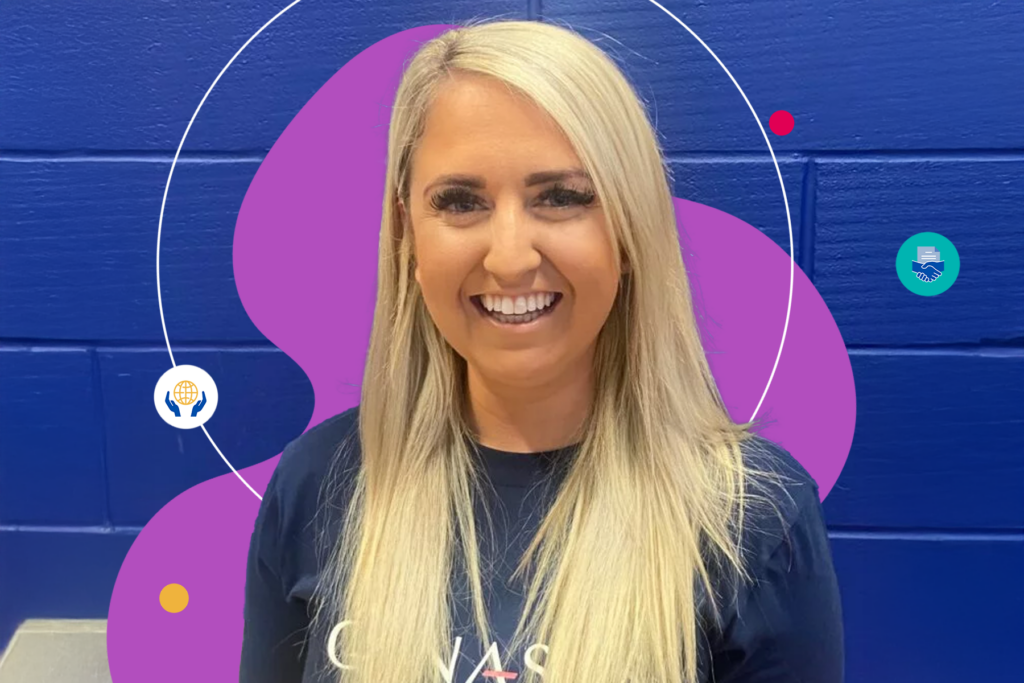
The long term success of great insurance software being adopted by users often hinges on how well organisations deliver software projects that drive efficiency, streamline processes, and provide a seamless customer experience. Heather Lawson, VP of Group Operations at Genasys, recently shared her top insights into what it takes to execute software projects successfully while keeping clients happy.
With extensive experience managing global projects, Heather has developed a blueprint for operational excellence. Below, we distil her wisdom into actionable strategies to elevate your insurance software delivery.
The Foundation of Great Insurance Software Delivery
The approach to project delivery centres on three core principles: governance, communication, and alignment. These principles, combined with Genasys’ robust technology and client-focused philosophy, ensure projects are delivered successfully. But as Heather calls out, perhaps the most often overlooked necessity in delivering great insurance software is the people behind it.
1. Strong Governance: Clarity and Structure
Great software projects start with robust governance frameworks. Heather stressed the importance of having clear processes to manage stakeholders, timelines, and deliverables.
Key components of effective governance include:
- Regular Stakeholder Engagement: Establish monthly check-ins with all key stakeholders, ensuring everyone is aligned and aware of progress.
- RAID Logs: Use these to track Risks, Actions, Issues, and Decisions, offering stakeholders a transparent view of the project’s status.
- Executive Summaries: Provide high-level overviews of project timelines, scope, costs, and progress to ensure decision-makers are informed without being bogged down in technical details.
According to Heather, implementing these governance practices lays the groundwork for smooth collaboration, preventing surprises or miscommunications later in the project lifecycle.
2. Clear Communication: Keeping Everyone in Sync
Insurance software projects often involve multiple parties, including internal teams, external vendors, and clients. Effective communication between all stakeholders is vital to ensure the project runs smoothly.
Heather’s recommendations for successful communication include:
- Document Sharing Platforms: Use tools that enable seamless sharing of project documentation, from requirements to progress reports, to ensure transparency.
- Formal Reporting Structures: Establish consistent formats for reporting updates, ensuring that technical teams, executives, and clients receive the information they need.
This approach minimises miscommunication and ensures that everyone involved remains aligned throughout the project.
3. Stakeholder Alignment: Building Trust from Day One
Heather highlighted the importance of aligning all stakeholders on the project’s scope, goals, and deliverables from the outset. This alignment is not just about setting expectations but also about fostering trust between the client, the software provider, and any third-party contributors.
Her advice? Address potential challenges early and involve all parties in discussions about project scope and timelines. When stakeholders feel heard and included, it builds confidence in the delivery process.
“Trust me, if you can tackle governance and alignment early, it’s a sign of success before you’ve even delivered the project,” Heather said.
Delivering Great Insurance Software That Delights Customers
Ultimately, delivering operational excellence in insurance software goes beyond meeting deadlines. It’s about exceeding expectations by delivering a product that adds real value to the customer’s business. The philosophy is grounded in three key elements:
- Timeliness: Ensuring projects are delivered on schedule is critical to maintaining trust.
- Budget Adherence: Staying within the agreed budget demonstrates discipline and respect for the client’s investment.
- Service Excellence: Providing outstanding customer service and addressing issues proactively sets great software providers apart.
Heather’s Top Tip: Start with Governance and Communication
If you’re looking to improve your software project delivery, Heather’s number-one tip is to focus on governance and communication. These two factors establish a strong foundation for project success, ensuring that all stakeholders are aligned and that any potential issues are addressed early.
How Genasys Brings This Philosophy to Life
At Genasys, the team take these principles and apply them to deliver complex insurance software projects around the globe. Genasys’ solutions are designed to be:
- Scalable: Supporting businesses across multiple geographies and regulatory environments.
- Flexible: Adapting to the unique needs of each client.
- Customer-Centric: Prioritising service excellence and long-term partnerships over short-term gains.
This approach is a perfect reflection of Genasys’ broader mission: to empower insurers with software that not only meets their needs today but positions them for success in the future.
Operational Excellence as a Competitive Advantage
Software delivery is about more than just technology – so much more, in fact! It’s about creating a framework for success that combines innovation with operational discipline. These insights provide a valuable guide for insurers and technology providers alike, offering a clear roadmap to deliver projects that meet deadlines, stay on budget, and exceed customer expectations.
If you’re looking for a software partner that prioritises governance, communication, and service excellence, Genasys should be on your radar. As Heather said, “Tackling these areas early is a sign of success before you’ve even delivered the project.”
👉 Ready to revolutionise your operations with great insurance software? Discover how Genasys can help at genasystech.com.